
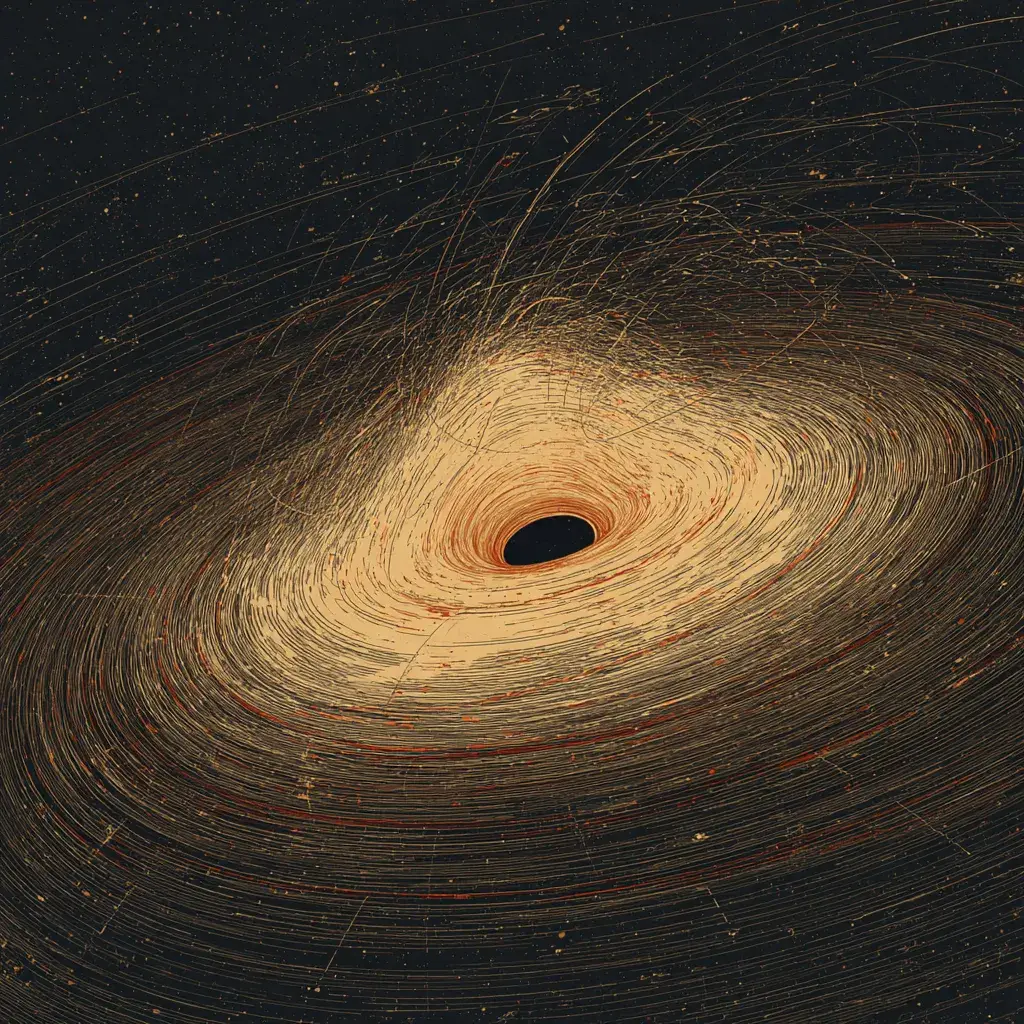
How the Universe Works
Gravity, light, time and the quantum world, explained through the people who worked them out.
- physics
- science
- space
Some of the stories included
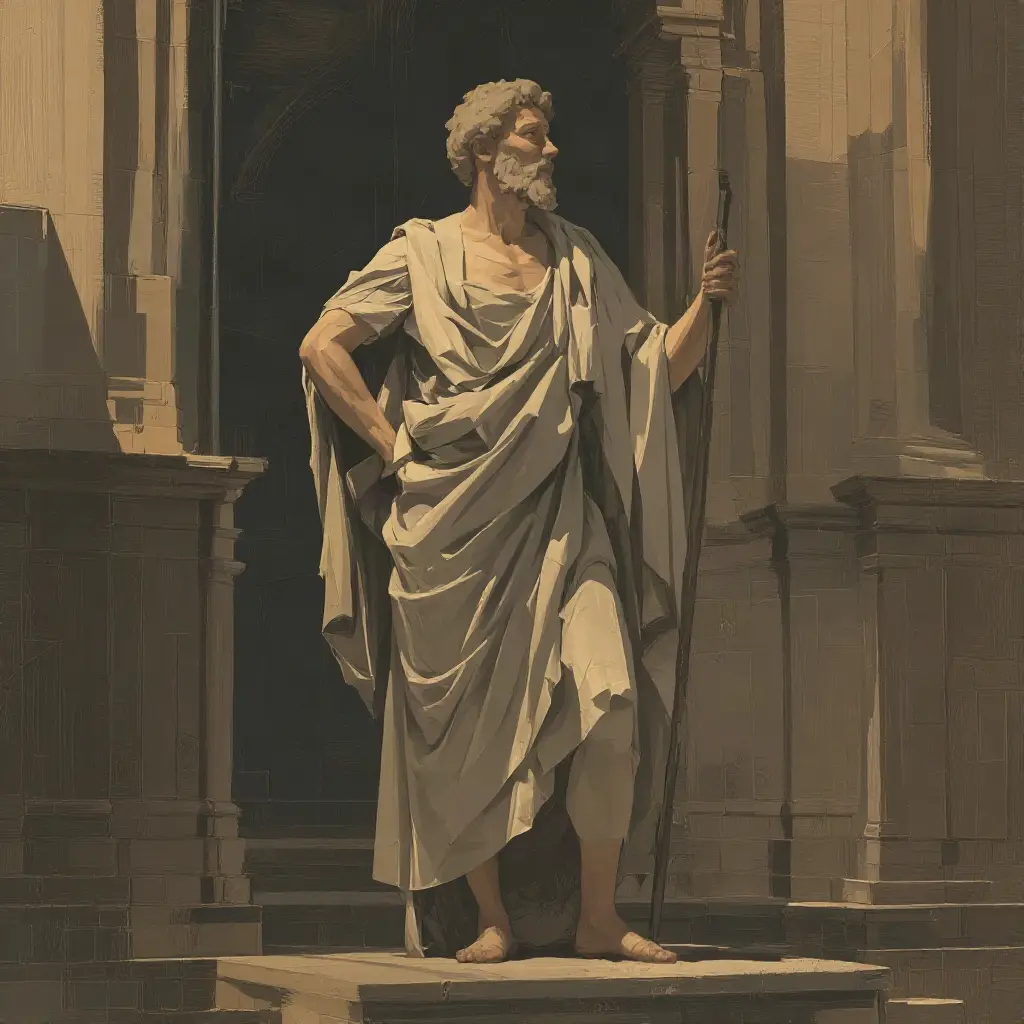 ArchimedesDiscover how Archimedes moved ships with pulleys, calculated pi with 96-sided shapes, and defended Syracuse.
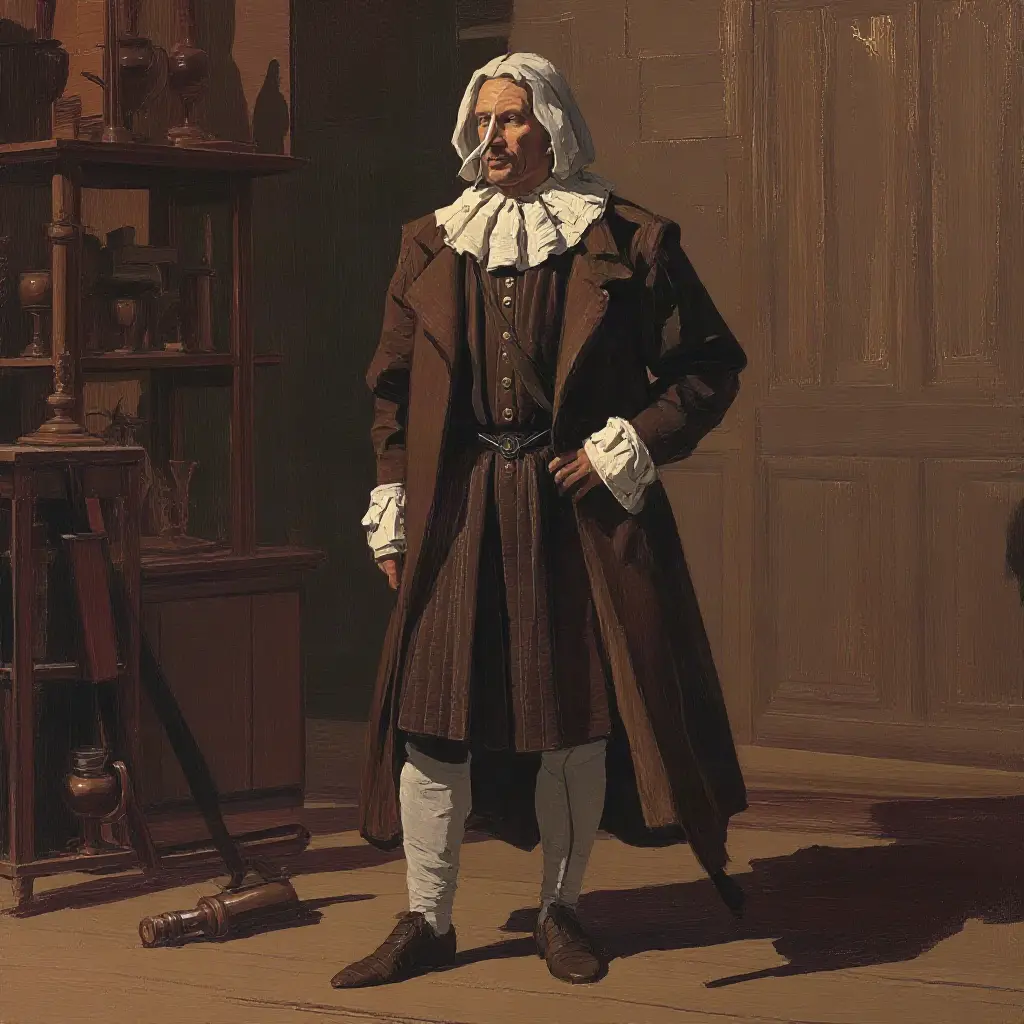 Tycho Brahe's Metal Nose and Mysterious DeathTycho Brahe lost his nose in a 1566 duel and wore a brass one, and in 2012 tests ruled out the rumor that he was poisoned.
- Black HolesExplore black holes, from their prediction by Karl Schwarzschild on WWI front lines to the first-ever photo of M87*’s event horizon.
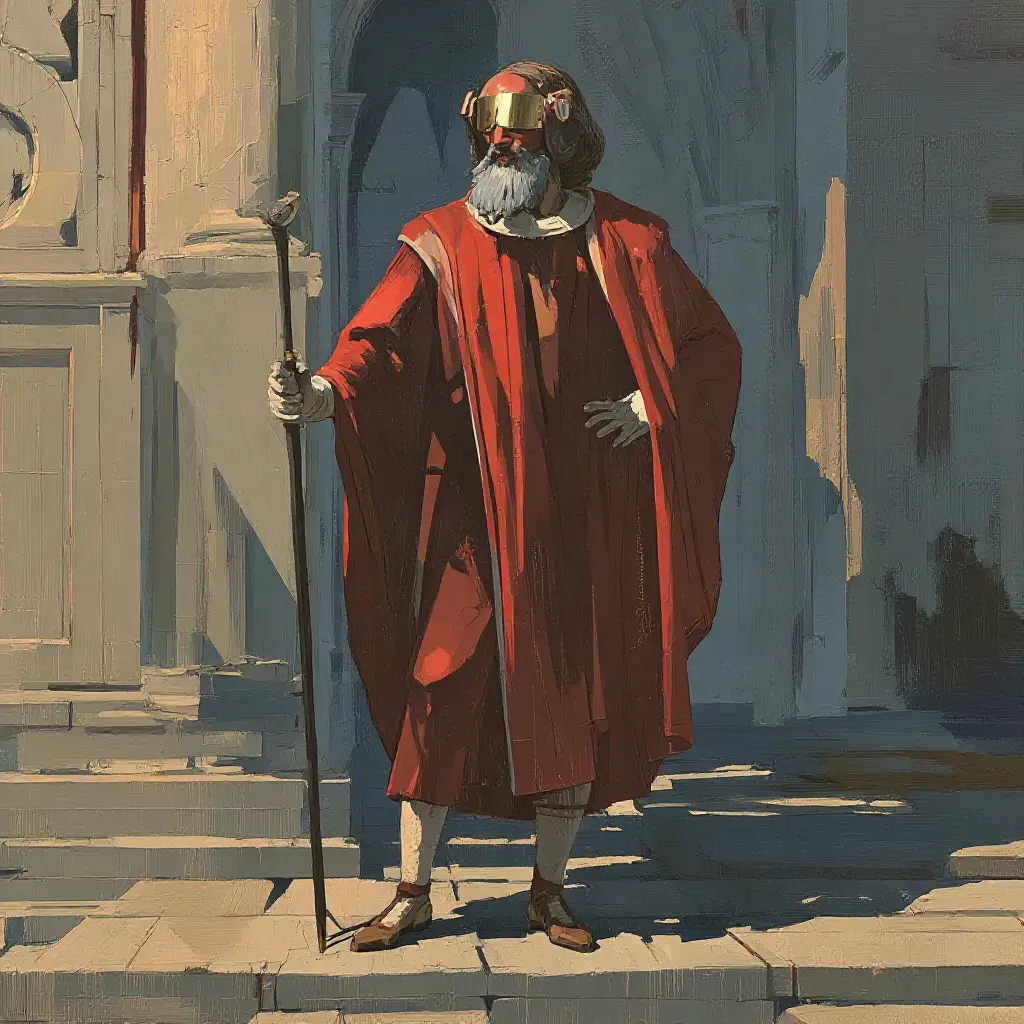 GalileoIn 1609, Galileo Galilei's telescope revealed a new cosmos, leading to a clash with the Church that would define an era of science.
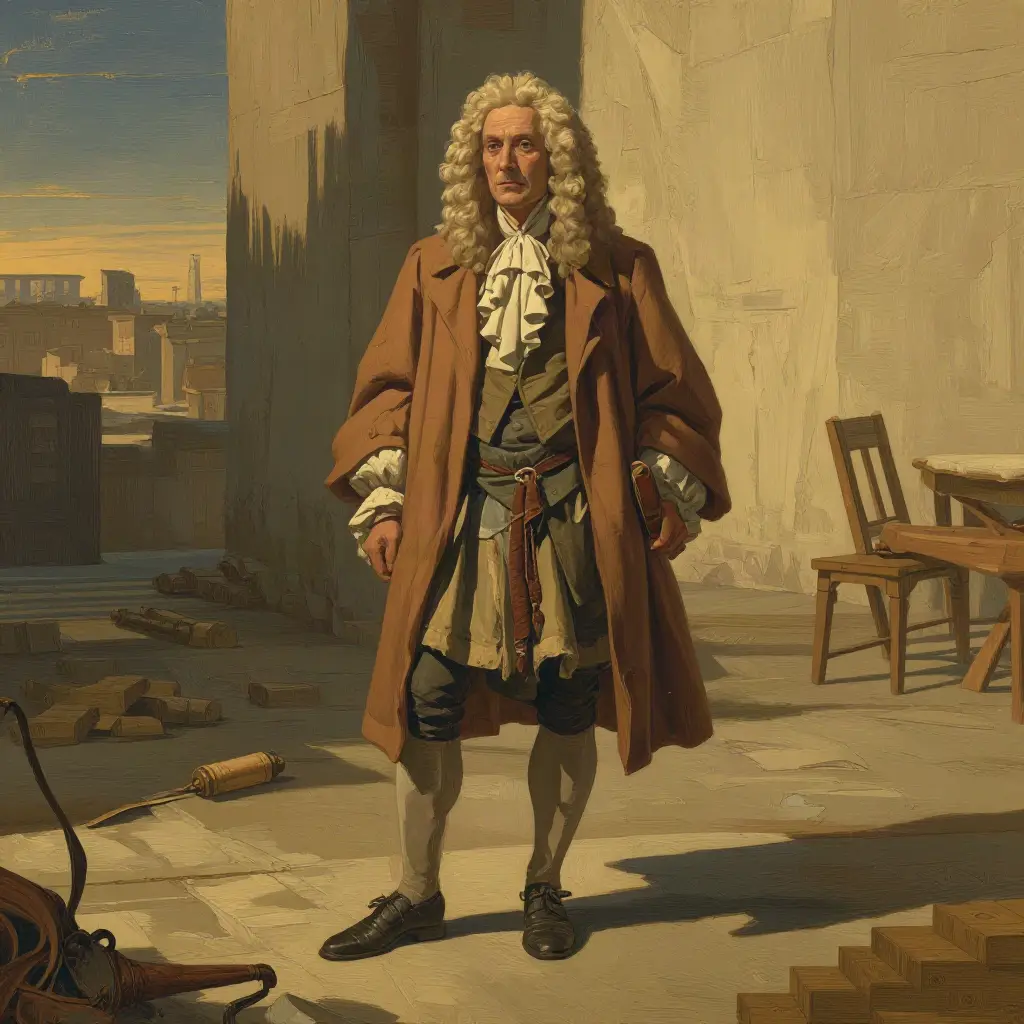 Isaac Newton and GravityIn 1666, Isaac Newton saw an apple fall and realized the same force holding the Moon in orbit was pulling the object to the ground.
 The Many-Worlds InterpretationHow Hugh Everett's 1957 Princeton thesis became the many-worlds interpretation of quantum mechanics, rejected in Copenhagen, revived in 1970, and still one of several competing ways to read the theory.
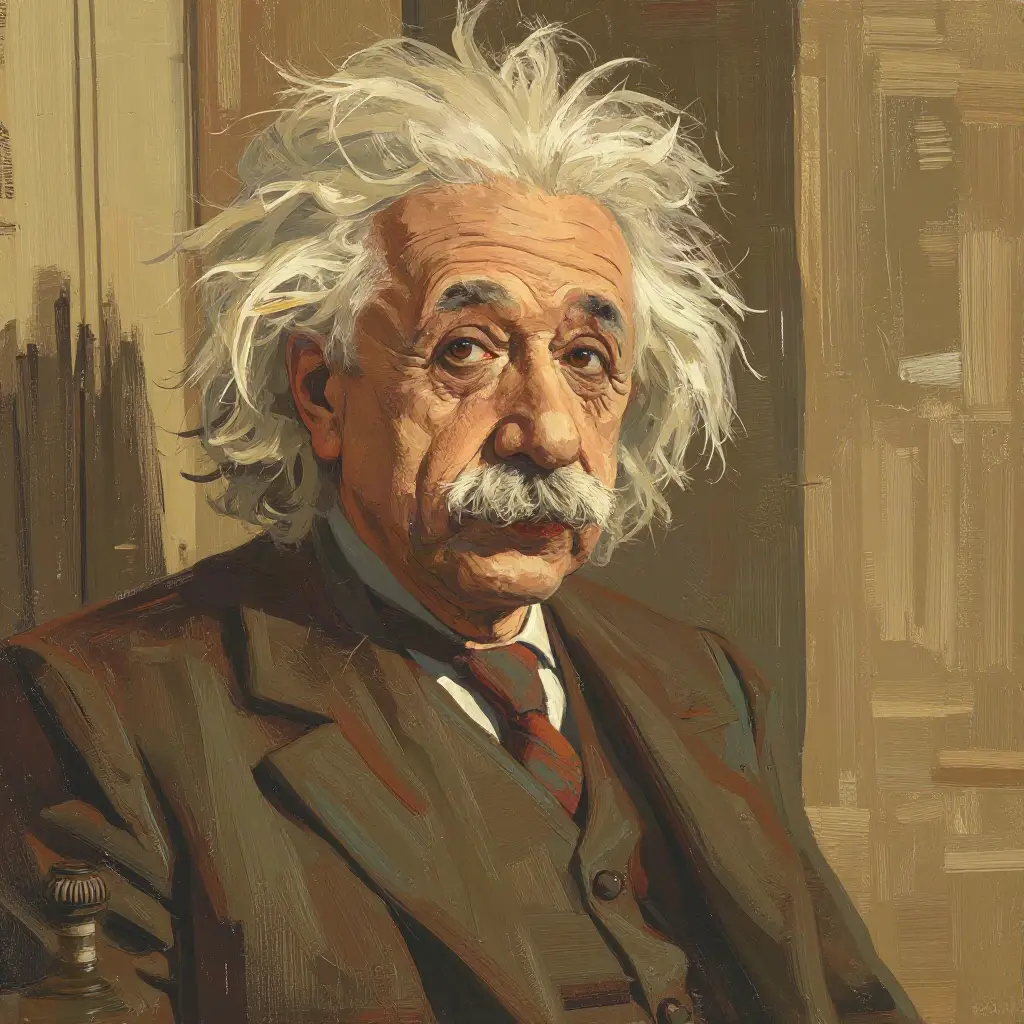 Albert Einstein and RelativityAlbert Einstein's theories of relativity state that the speed of light is constant, which means time and space are relative to the observer.
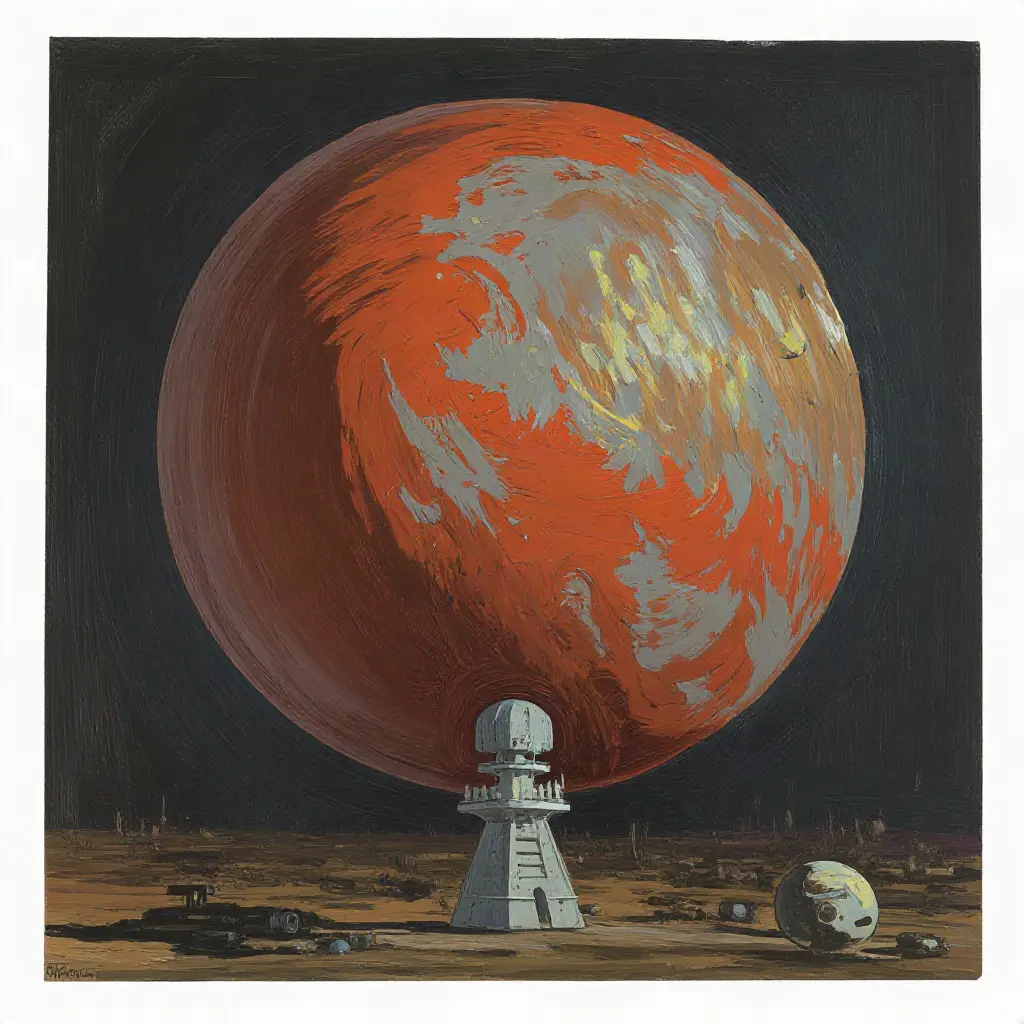 Exoplanets: The Hunt for Seven New WorldsThe story of finding new planets, from the 1995 discovery of 51 Pegasi b to the seven Earth-sized worlds of TRAPPIST-1.
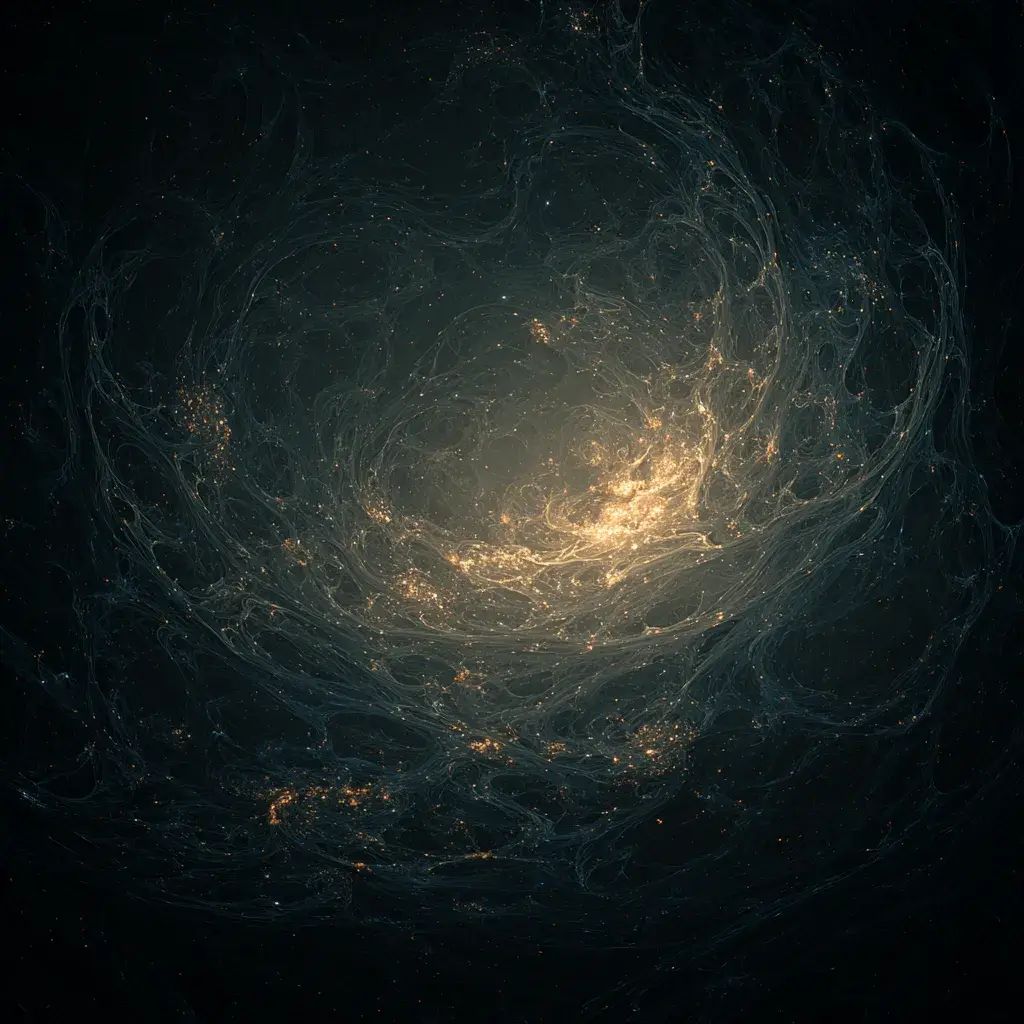 The Big Bang TheoryHow scientists worked out that the universe began in a hot, dense state, from Hubble's expanding galaxies to the cosmic microwave background and the COBE satellite's 1992 map.
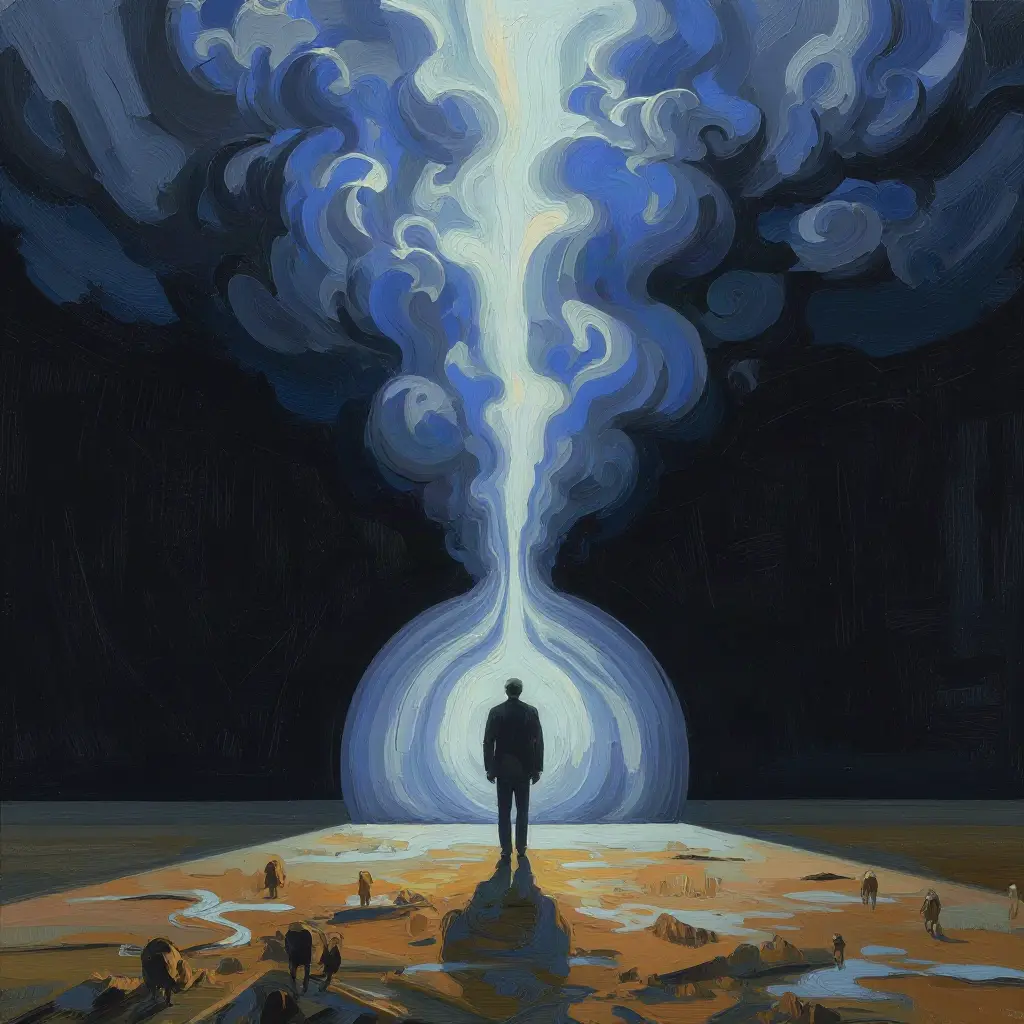 The Double-Slit ExperimentThe quantum experiment where single particles pass through two slits at once, creating a wave pattern that vanishes when measured.
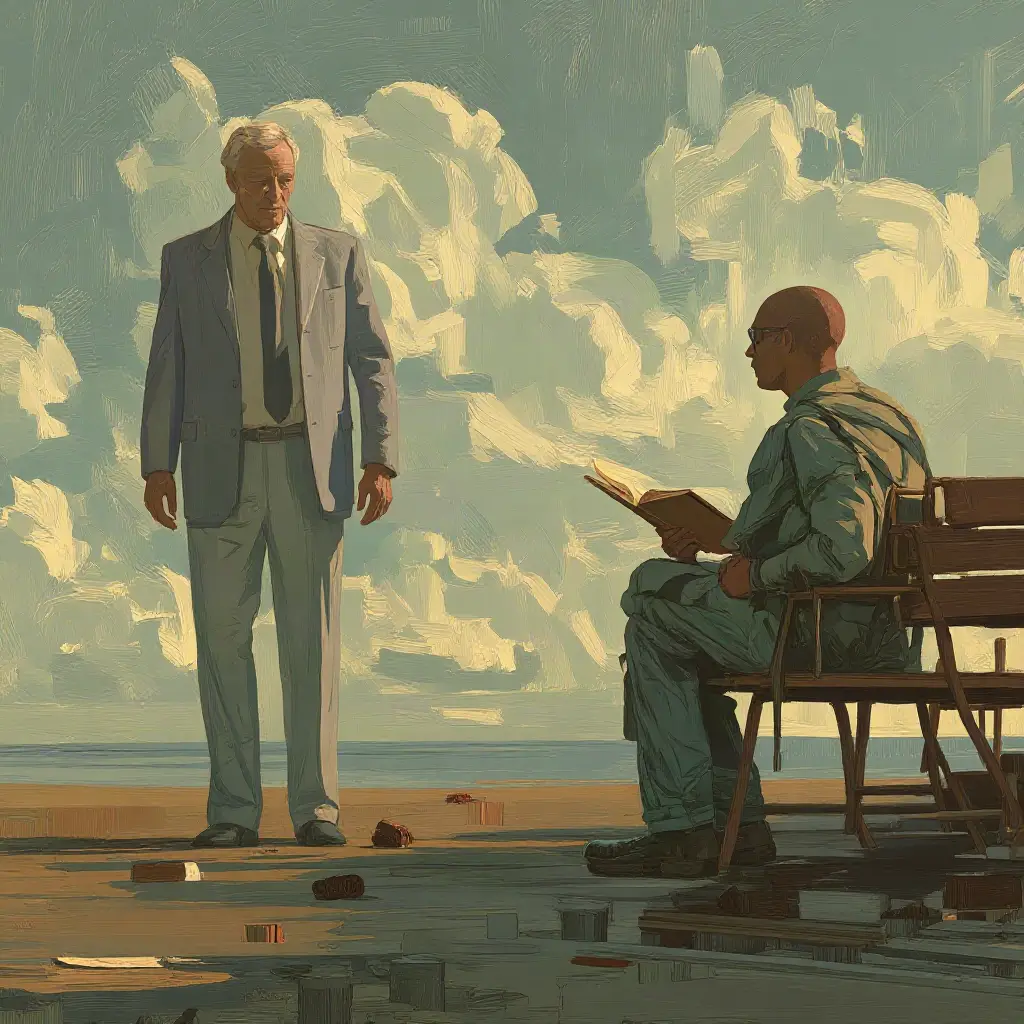 The Grandfather ParadoxIn 1943 René Barjavel's novel described a time traveler who kills an ancestor, and physicists have argued over it since.
To view the rest of the story pack, download the Chunks Microlearning app and start learning
Or get it straight away:
 Download on iOS
 Download on Android