

Medical Breakthroughs That Changed Everything
Revolutionary medical discoveries that transformed human health, from vaccines to antibiotics to surgical innovations that saved countless lives.
- Medicine
- Discovery
- Healthcare
- Vaccines
- Surgery
- Breakthrough
Some of the stories included
 The History of Forensic ScienceHow forensic science learned to identify criminals, from the first reliable arsenic test and Bertillon's body measurements to fingerprinting, blood typing and Alec Jeffreys' discovery of DNA profiling.
 The 1854 Pump Handle That Ended a PlagueIn 1854, Dr. John Snow used a map of cholera deaths to trace an outbreak to a single London water pump, challenging dominant medical theories.
 Smallpox: The Disease We ErasedHow smallpox, a virus that killed 300 million people in the 20th century alone, became the only human disease ever eradicated.
 Archibald McIndoe and the Guinea Pig ClubSurgeon Archibald McIndoe rebuilt burned pilots' faces, and 39 founding members started the Guinea Pig Club in 1941.
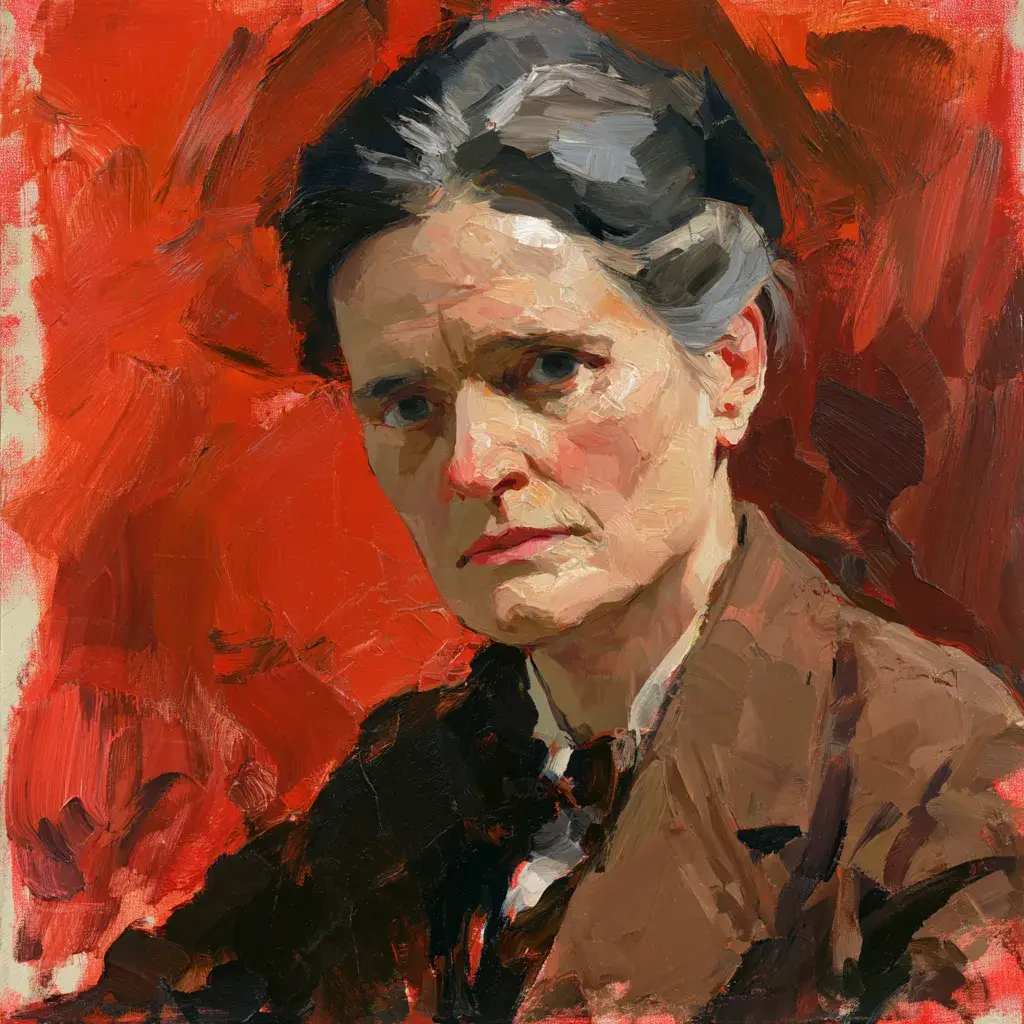 Frances Kelsey and ThalidomideThe FDA reviewer who refused to approve thalidomide in 1960, preventing a U.S. tragedy and changing drug laws forever.
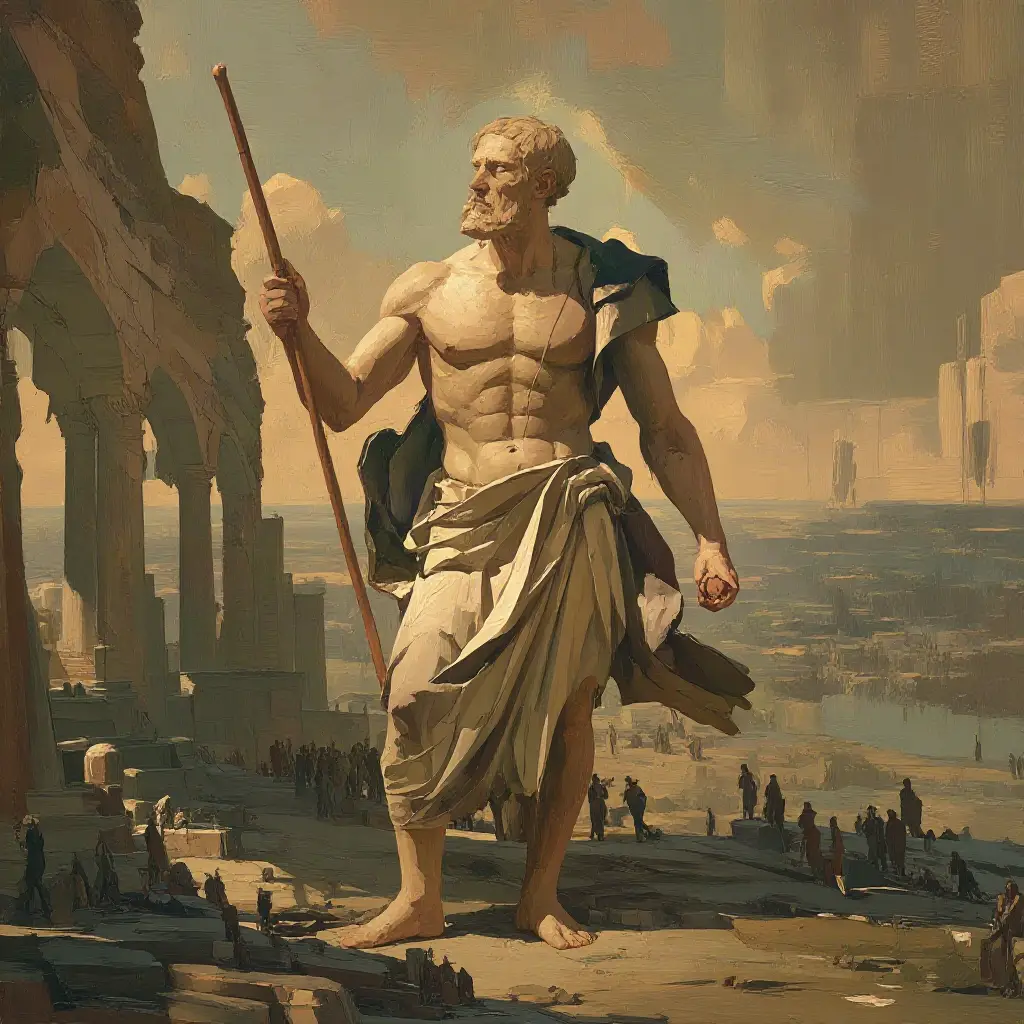 Varro's Ancient Germ TheoryAround 37 BCE the Roman scholar Varro wrote that tiny unseen creatures bred in swamps could cause disease, an idea that resembles modern germ theory.
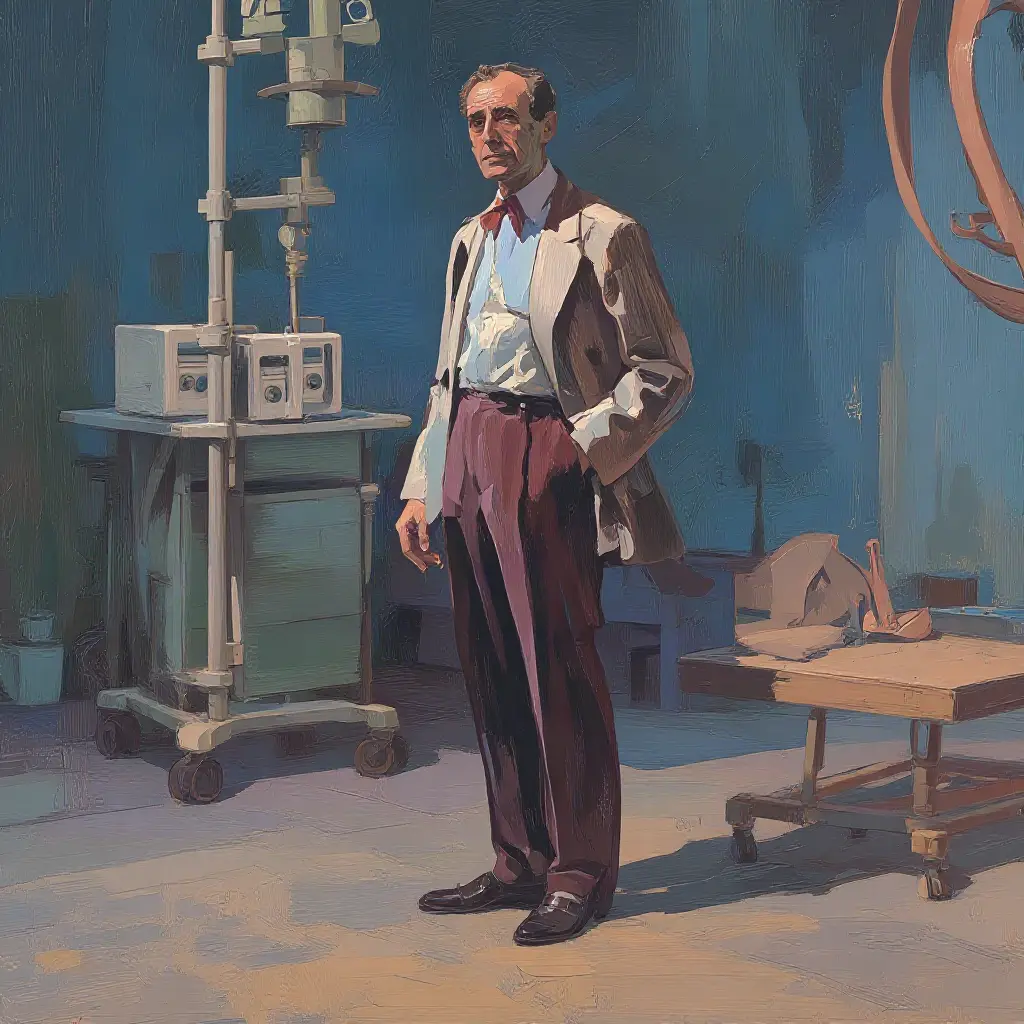 Christiaan Barnard's First Heart TransplantIn Cape Town in 1967, Christiaan Barnard's team sewed a bank clerk's heart into a dying grocer, who lived 18 days.
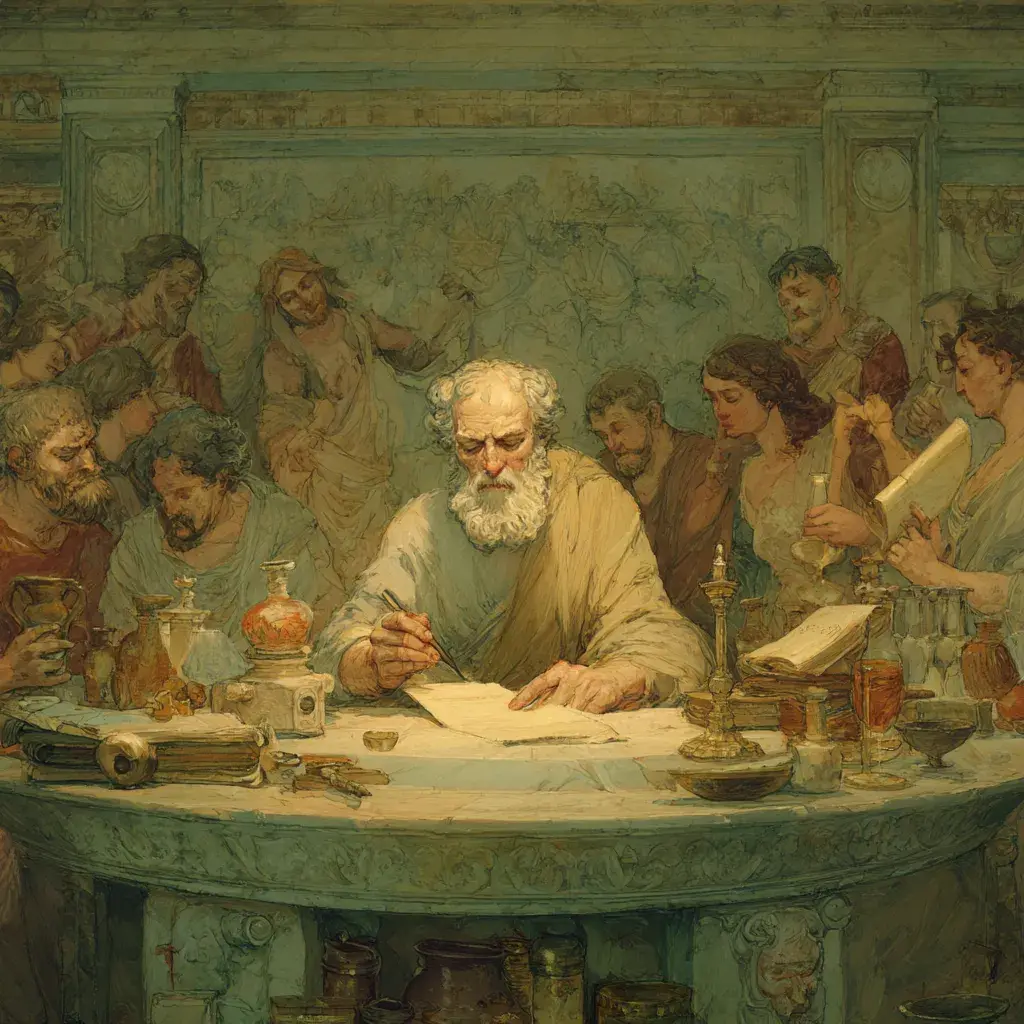 HippocratesHippocrates of Cos, the Greek physician who taught that illness has natural causes and whose name is on medicine's most famous oath.
 The History of SurgeryHow surgery went from Stone Age skull drilling to organ transplants: anatomy, anaesthesia, antiseptics, blood groups and the first kidney transplant.
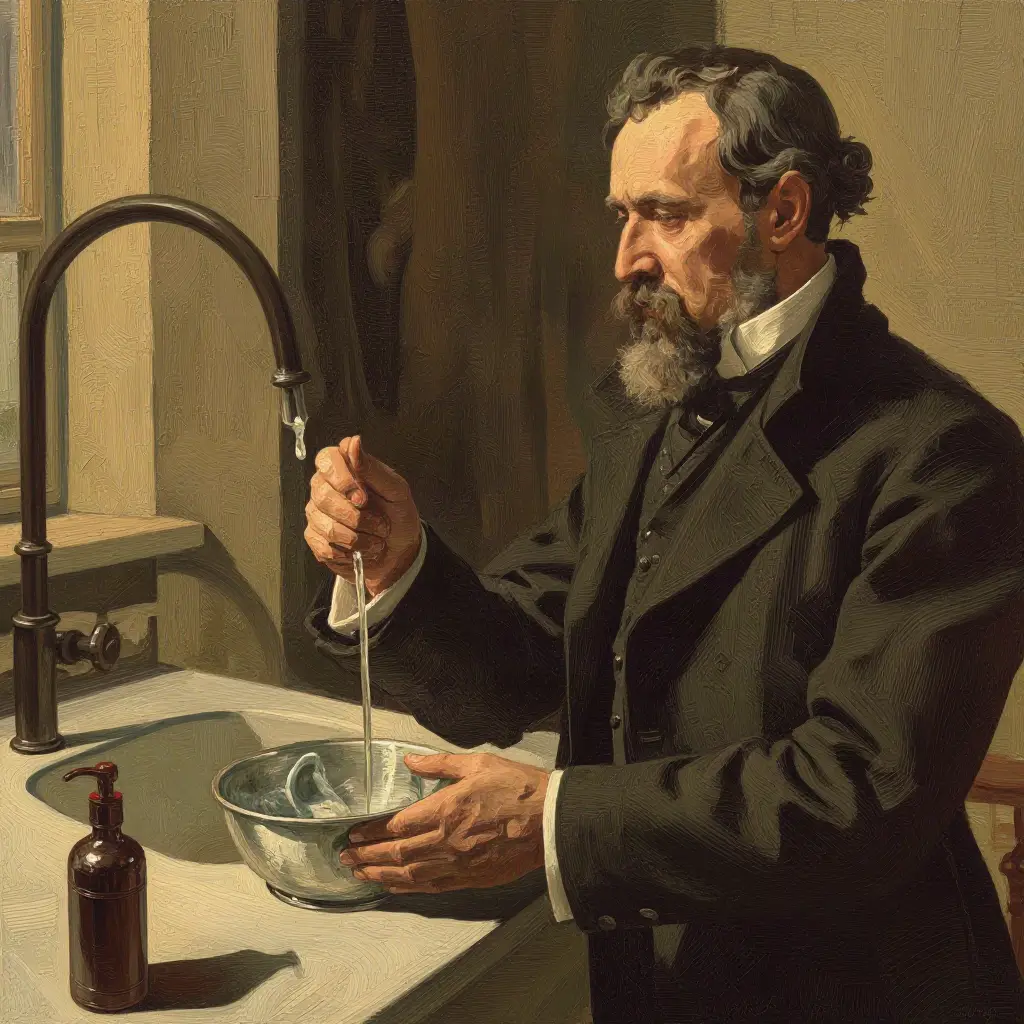 Semmelweis and the Case for HandwashingIn 1847, a Vienna doctor showed that handwashing cut deaths in his maternity ward from over 18% to nearly 1%, but his peers rejected him.
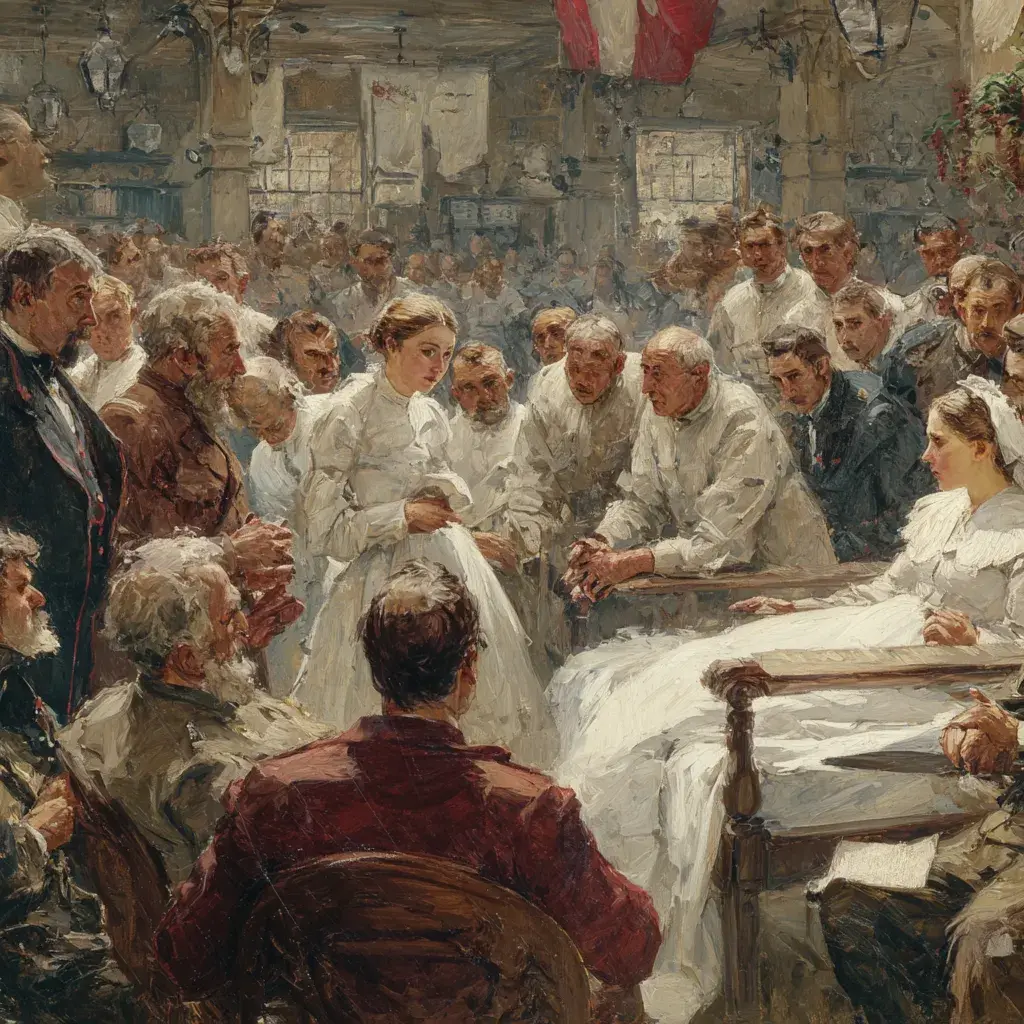 Florence Nightingale’s War for Clean HospitalsFlorence Nightingale's work in the Crimean War hospitals at Scutari, and how she used statistics to show that most soldiers' deaths came from preventable disease, changing nursing and hospital sanitation.
 Scurvy and the First Clinical TrialHow James Lind's 1747 test of six scurvy remedies on twelve sailors found that citrus worked, and why the navy took fifty years to act on it.
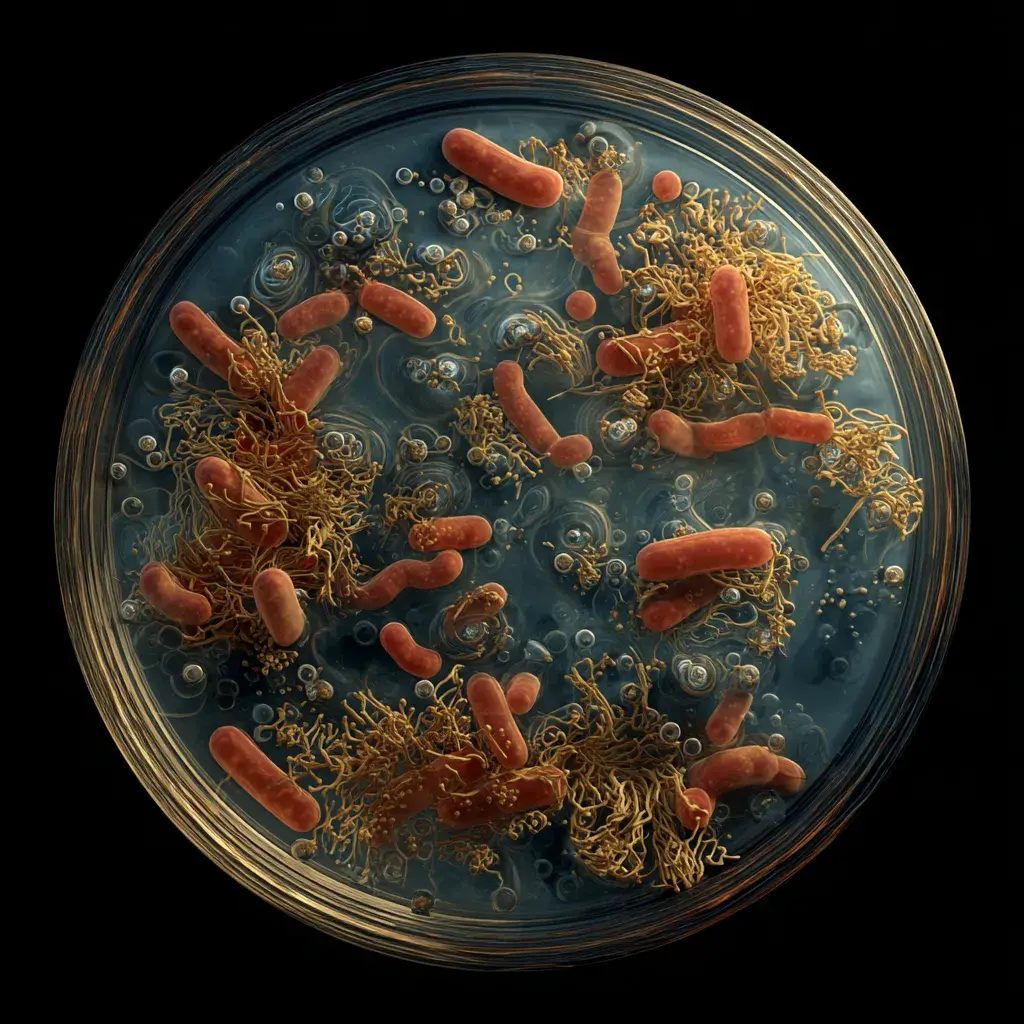 The Discovery of PenicillinHow Alexander Fleming's 1928 mould observation became a usable drug through the Oxford team's work and American mass production, in time for D-Day and the start of the antibiotic era.
 Why Leprosy Is Now RareHow leprosy went from a feared curse to a curable disease after Gerhard Hansen identified its bacterium in 1873.
 The Discovery of InsulinHow a team in Toronto discovered insulin in 1921 and turned type 1 diabetes from a death sentence into a treatable condition.
 Leonid Rogozov Removes His Own AppendixA Soviet surgeon cut out his own appendix with a mirror, roughly 3,000 km from the nearest Soviet base.
 The Discovery of Prions and Creutzfeldt-Jakob DiseaseHow scientists discovered prions, misfolded proteins with no genes that cause kuru, mad cow disease and Creutzfeldt-Jakob disease.
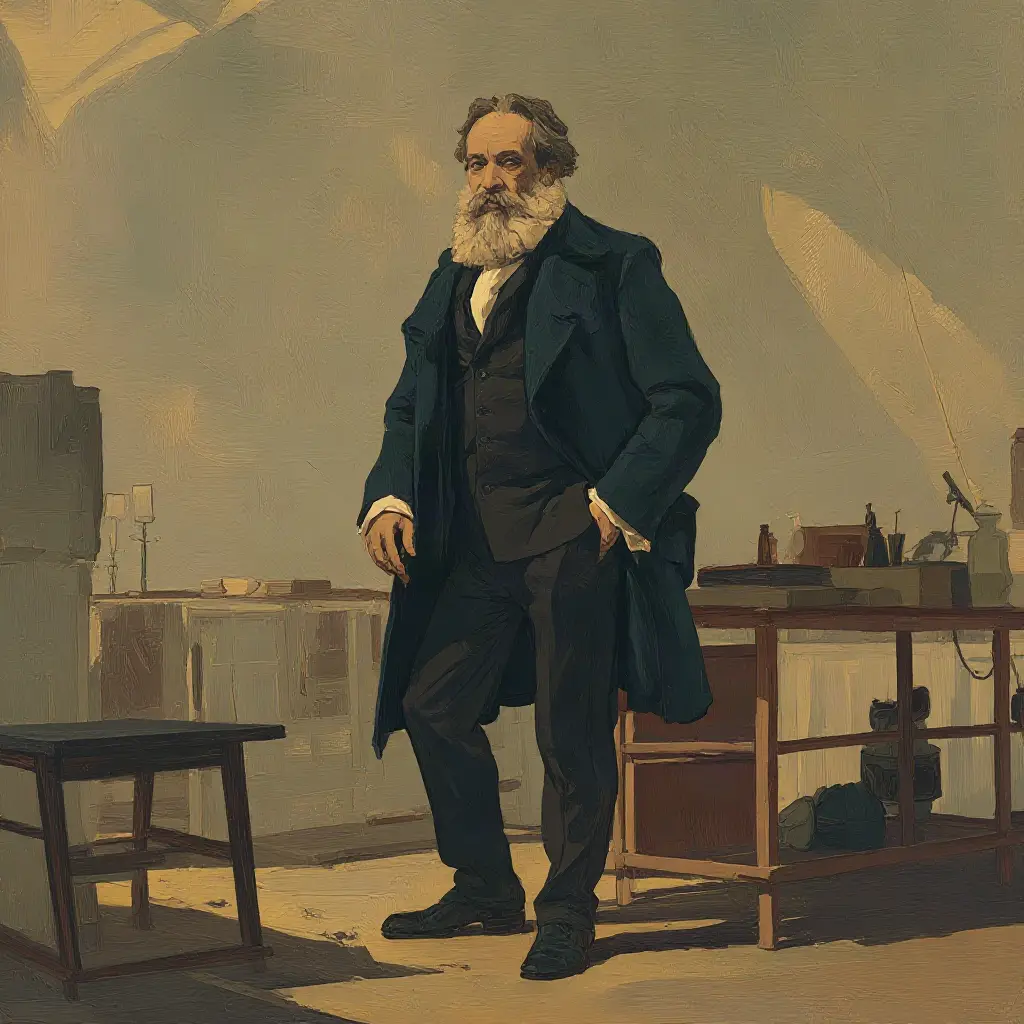 Louis PasteurLouis Pasteur proved germs cause disease, invented pasteurization, and created the first rabies vaccine, saving a young boy's life in 1885.
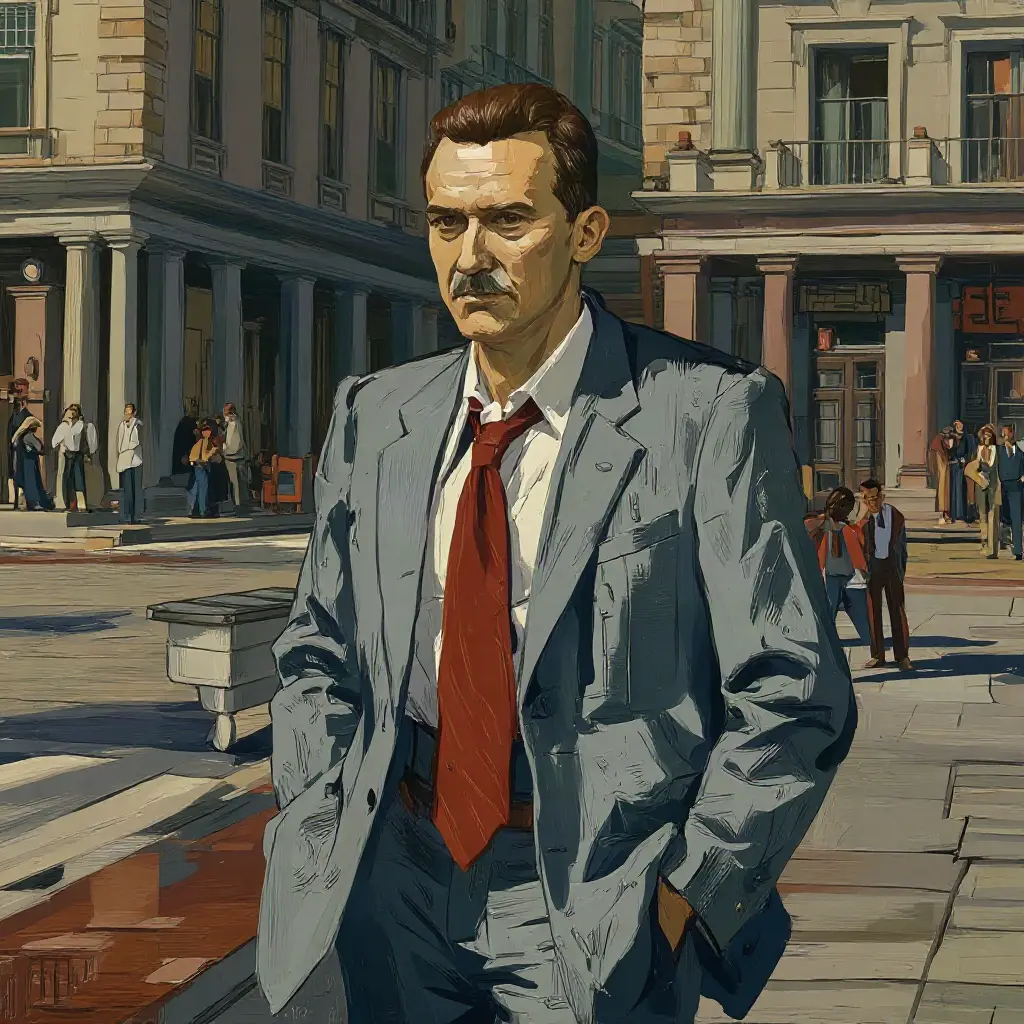 Patient H.M.: The Man Who Couldn't Make MemoriesAfter 1953 surgery, Henry Molaison could form no new long-term memories of events, and his brain was later cut into 2,401 slices.
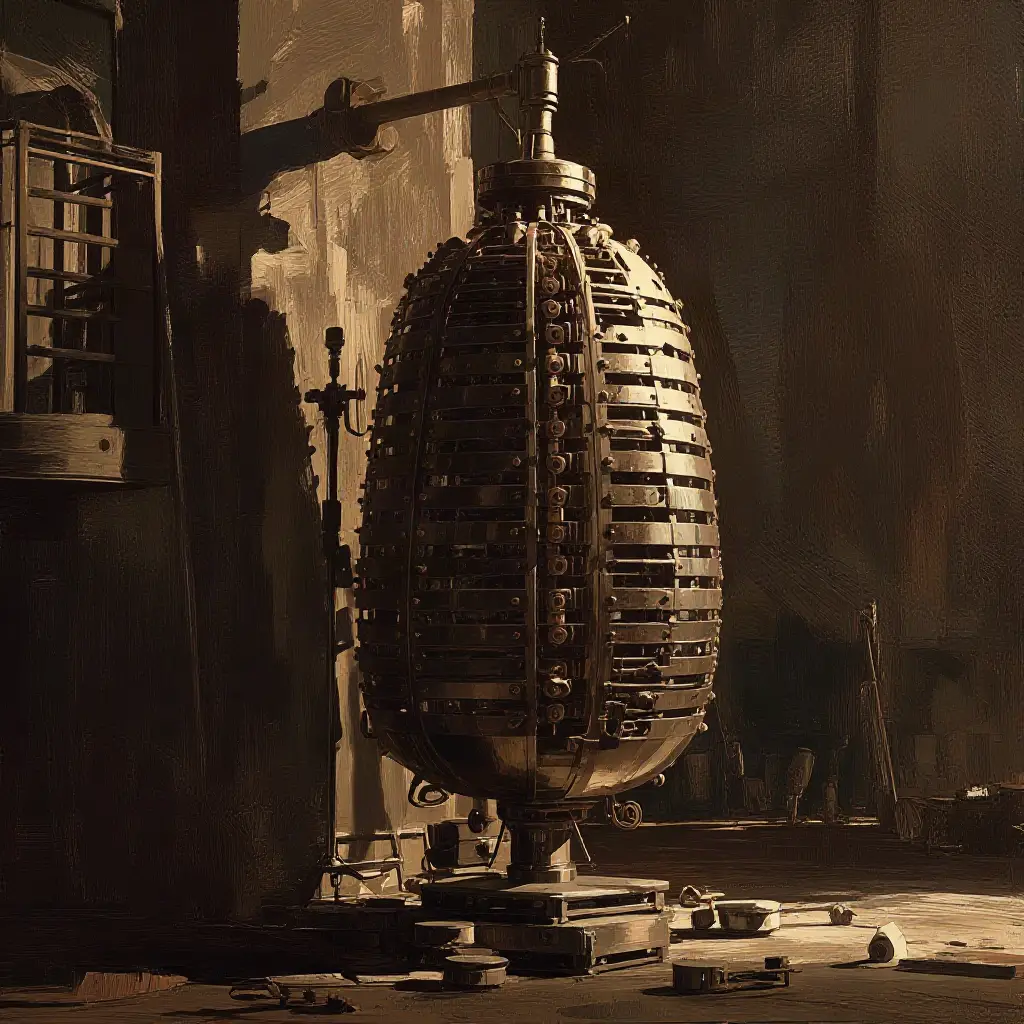 The Iron Lung: A Machine to BreatheThe story of the iron lung, a machine that saved thousands of lives during the 20th-century polio epidemics and was first used on a patient in 1928.
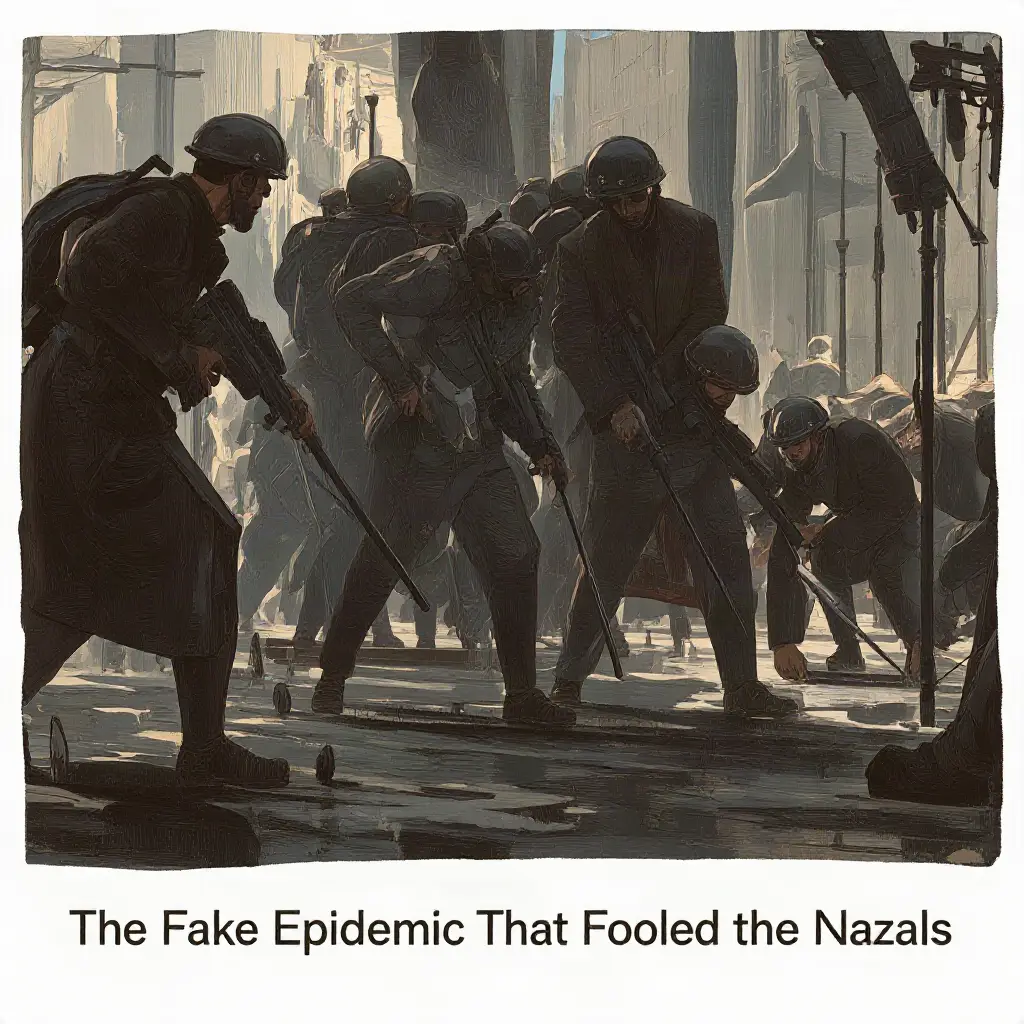 The Fake Epidemic That Fooled the NazisTwo Polish doctors injected patients with dead bacteria so a blood test said typhus, and 8,000 people escaped deportation.
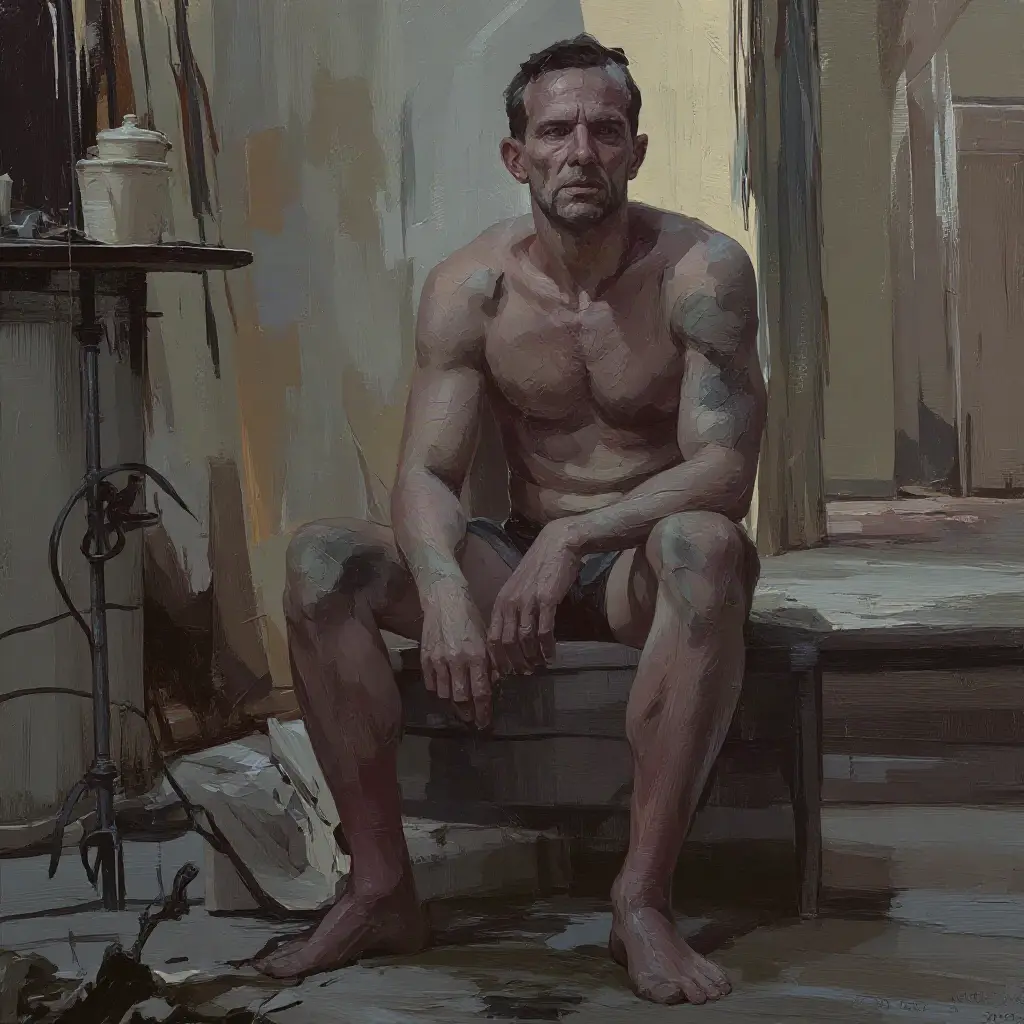 Martin Pistorius: The Ghost BoyMartin Pistorius was awake and aware for years in a body that would not respond, until an aromatherapist noticed his eyes in 2001.
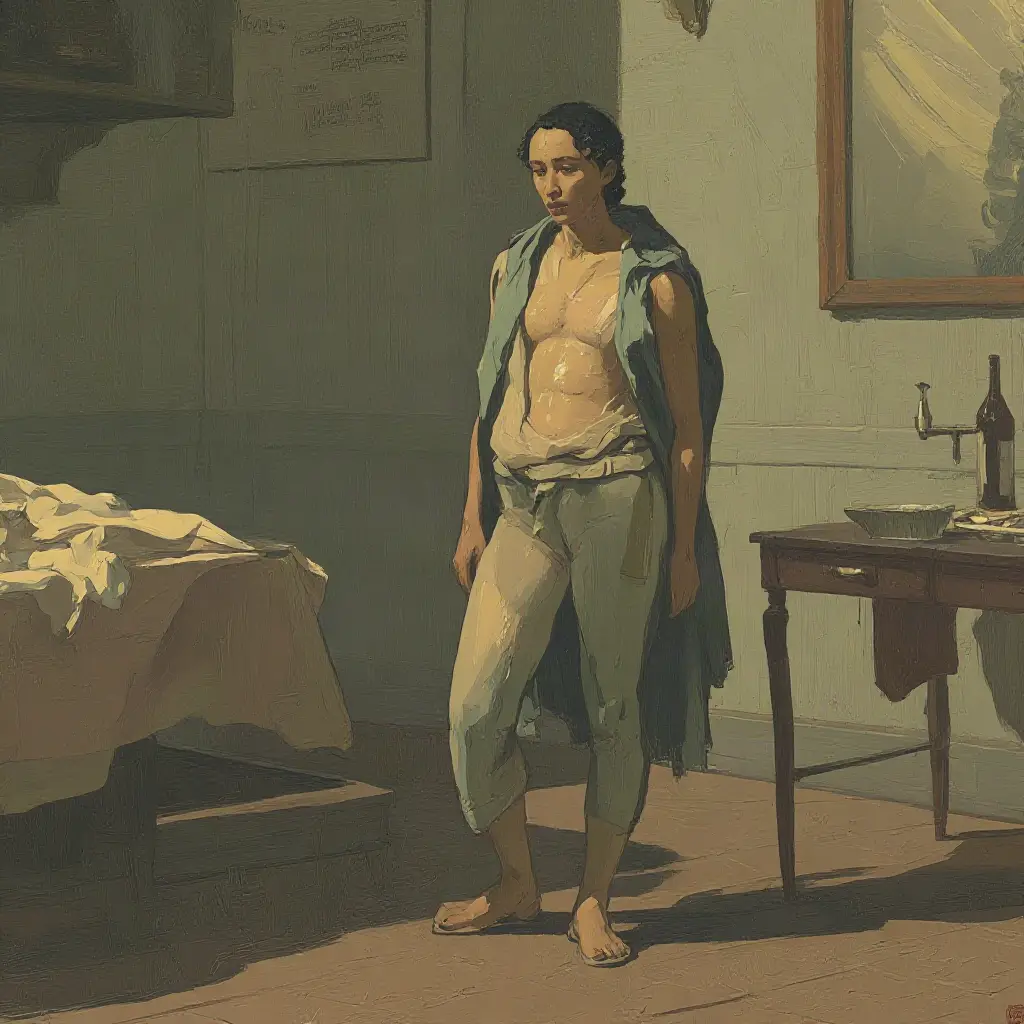 The First AnaestheticThe story of October 16, 1846, when dentist William Morton first publicly demonstrated ether and ended the agony of surgery.
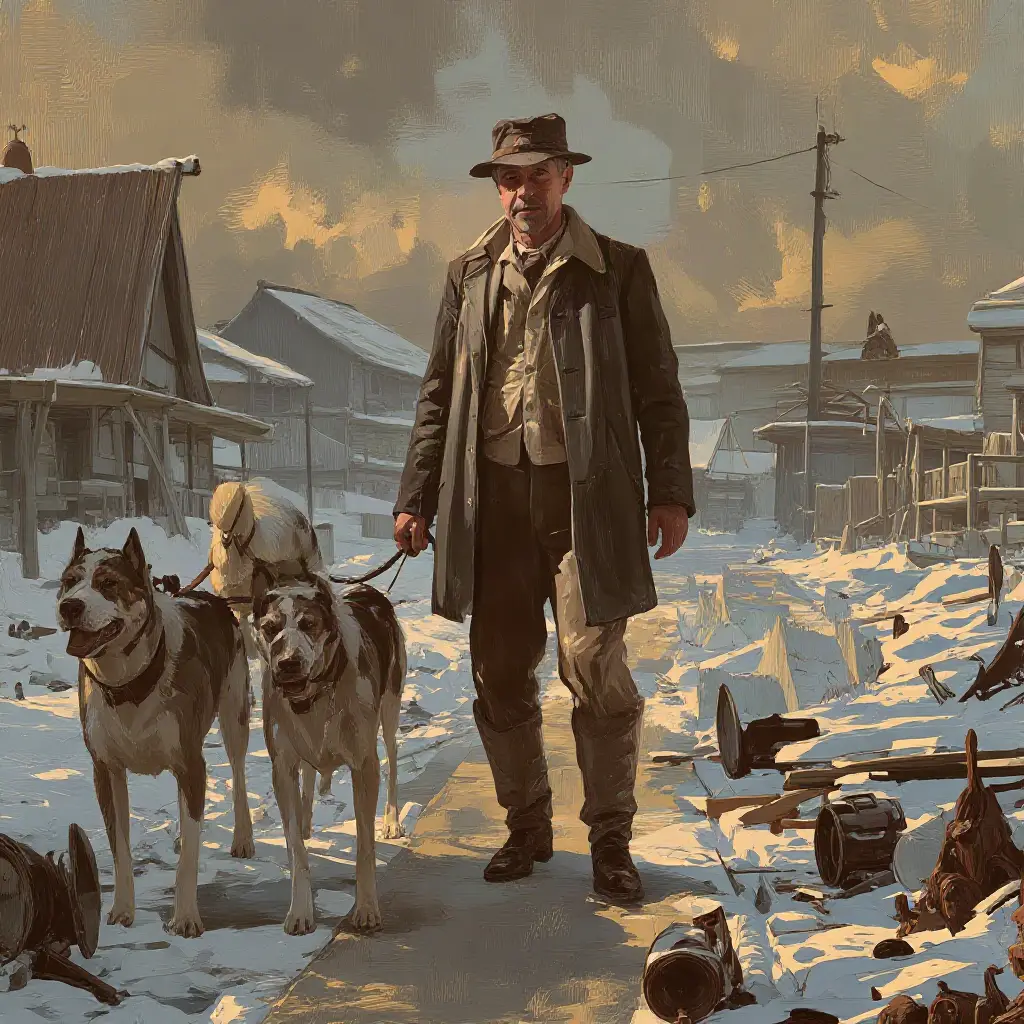 The 1925 Serum Run: Togo and BaltoDog teams relayed diphtheria serum 674 miles to Nome in 127.5 hours in 1925, led in turn by Togo and Balto.
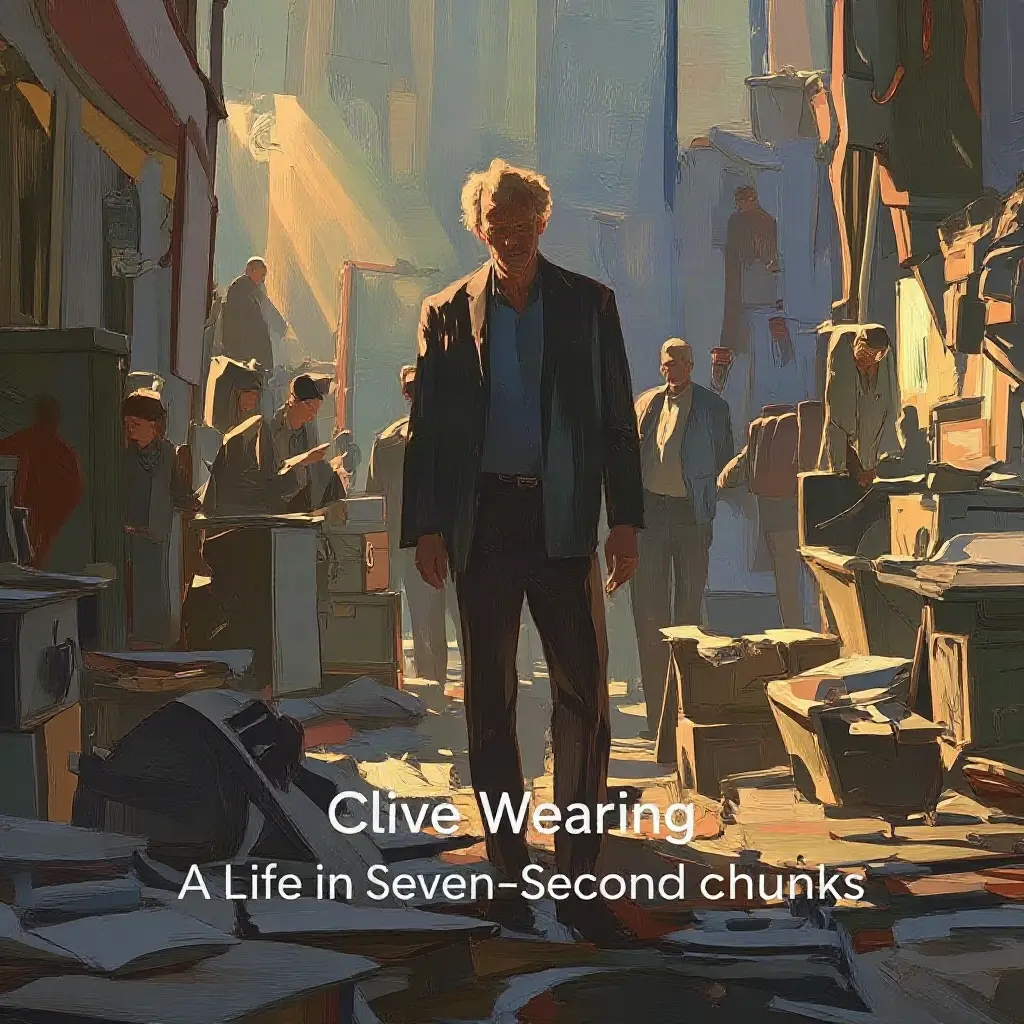 Clive Wearing: A Life in Seven-Second ChunksClive Wearing's memory lasted 7 to 30 seconds after a 1985 virus, yet he greeted his wife Deborah with joy every time.
To view the rest of the story pack, download the Chunks Microlearning app and start learning
Or get it straight away:
 Download on iOS
 Download on Android