
Psychology Experiments & the Human Mind
Uncover the secrets of human behavior through groundbreaking psychological experiments and discoveries.
- Psychology
- Experiments
- Human Behavior
- Science
Some of the stories included
 The Marshmallow TestWalter Mischel's famous test found kids who waited for a second marshmallow had higher SAT scores, but what did it really prove?
 The Chinese Room ArgumentJohn Searle's 1980 thought experiment about a man following rules to answer in Chinese, which argues that running a program is not the same as understanding, and the replies critics made.
 Synesthesia: Tasting Colors, Seeing SoundsThe neurological phenomenon where stimulating one sense triggers another, affecting 1 in 23 people with experiences like seeing sounds as color.
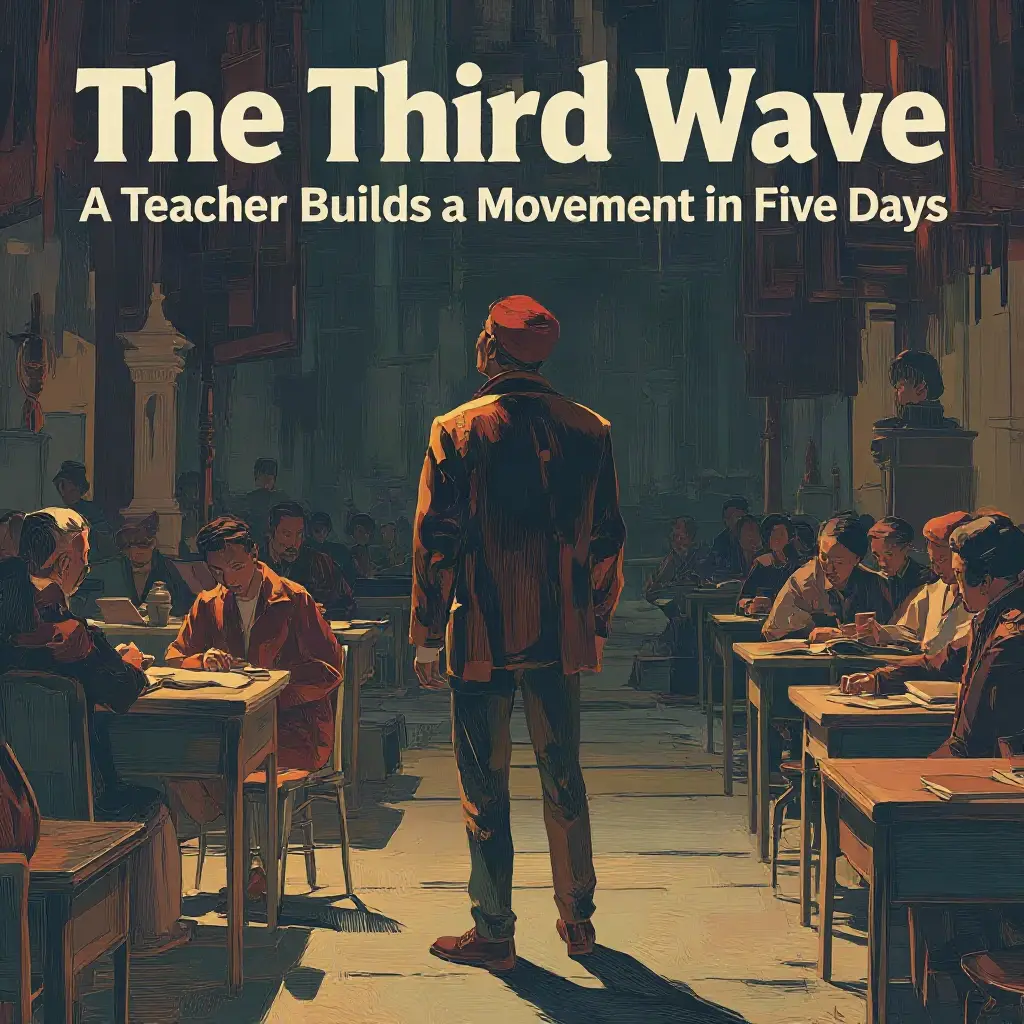 The Third Wave: A Teacher Builds a Movement in Five DaysA Palo Alto teacher's 1967 class drill grew from 30 students to over 200 in five days.
 The Robbers Cave ExperimentMuzafer Sherif's 1954 summer-camp study of how rivalry turns groups against each other, and what his own notes later revealed about it.
 Cognitive DissonanceIn 1954, Leon Festinger watched a cult react to a failed apocalypse, leading to his groundbreaking theory of cognitive dissonance.
 Pavlov's DogsThe true story of Ivan Pavlov, who discovered classical conditioning while conducting Nobel-winning research on digestion.
 The Placebo EffectWhy a sugar pill can ease real pain: discover the science of the placebo effect, from the 1950s to the brain's chemistry.
 Maslow's Hierarchy of NeedsMaslow never drew his famous pyramid; the earliest known version is in a 1960 business article by Charles McDermid.
 Being Sane in Insane PlacesEight healthy people faked one voice and were kept in psychiatric hospitals for up to 52 days.
 The Brown Eyes, Blue Eyes ClassroomIn 1968 Jane Elliott split her 28 third-graders by eye colour the day after Martin Luther King Jr. was shot.
 The Stanford Prison ExperimentIn 1971 Philip Zimbardo turned a Stanford basement into a mock prison. The study was stopped after six days, and later evidence has cast doubt on what it showed.
 The Pirahã: The Tribe That Converted Its MissionaryDan Everett arrived in 1977 to convert the Pirahã. They asked 'Have you seen him?' and he lost his faith instead.
 The Overton WindowThe political theory explaining how unpopular ideas become mainstream, created by Joseph Overton with a cardboard slider in the 1990s.
 Carl JungCarl Jung's concept of a 'collective unconscious' defined his career after his famous split from Sigmund Freud.
 AphantasiaAphantasia is the inability to form voluntary mental images, first studied in 1880 but only formally named by neurologists in 2015.
 The Little Albert ExperimentHow a 1920 experiment taught a baby to fear a white rat, changing psychology and research ethics forever.
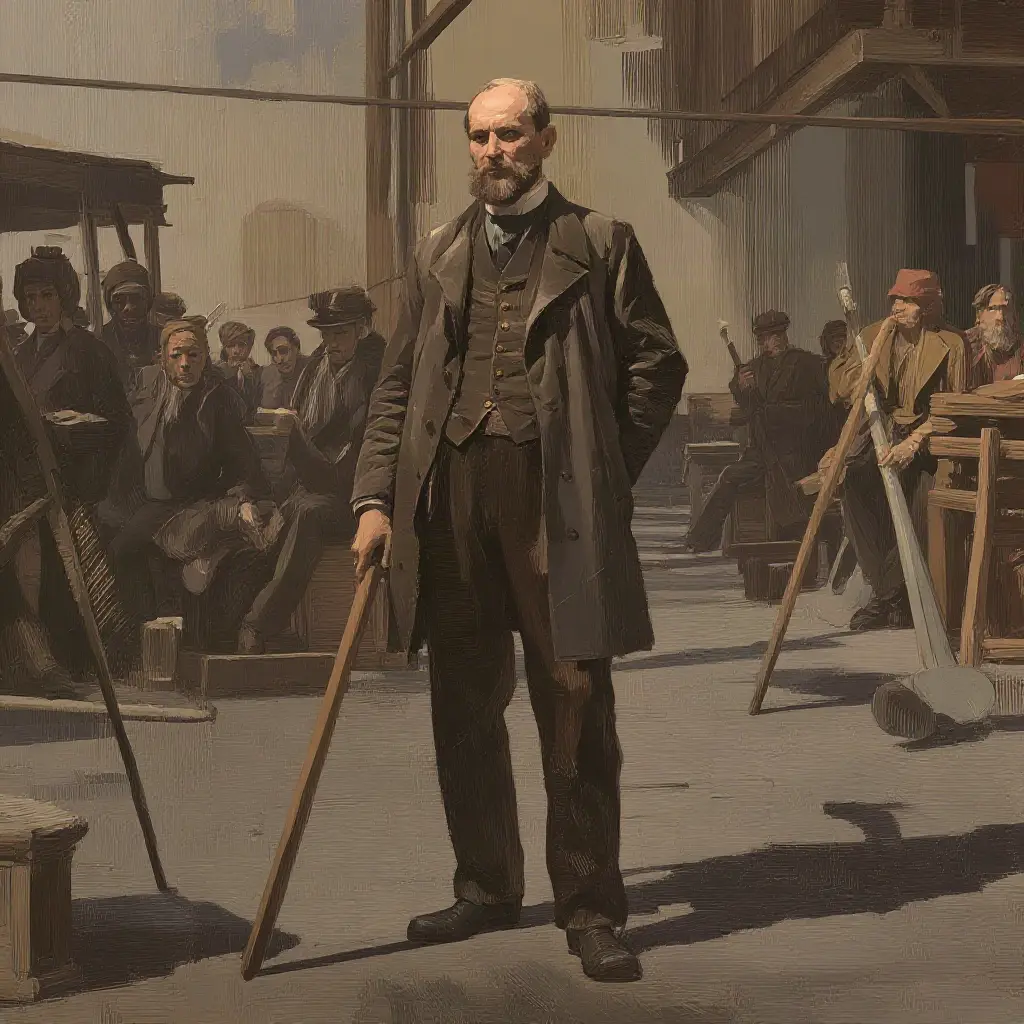 Phineas GageThe railway foreman who survived an iron rod through his skull in 1848, and what his case taught science about the brain's frontal lobes.
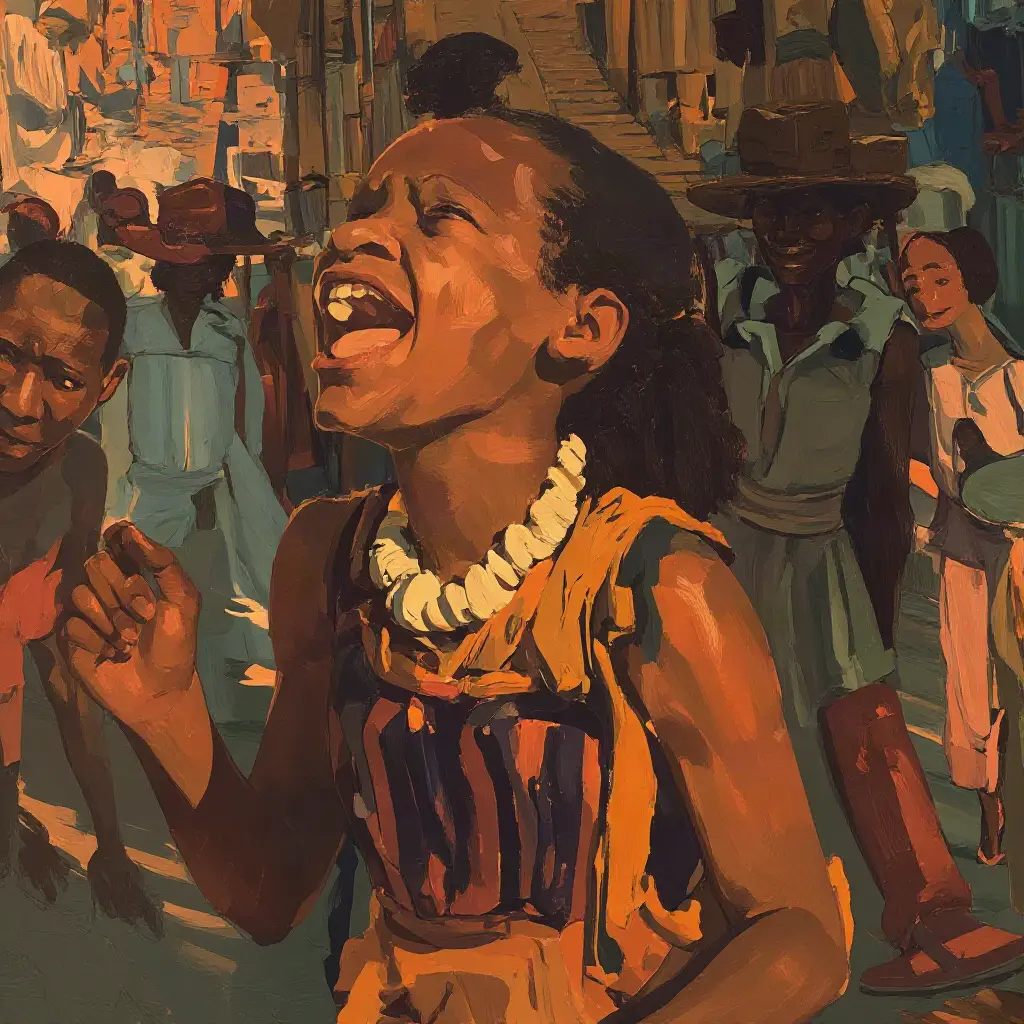 The Tanganyika Laughter EpidemicIn 1962, three schoolgirls in Kashasha began laughing uncontrollably, and 95 of 159 pupils were affected before the school closed.
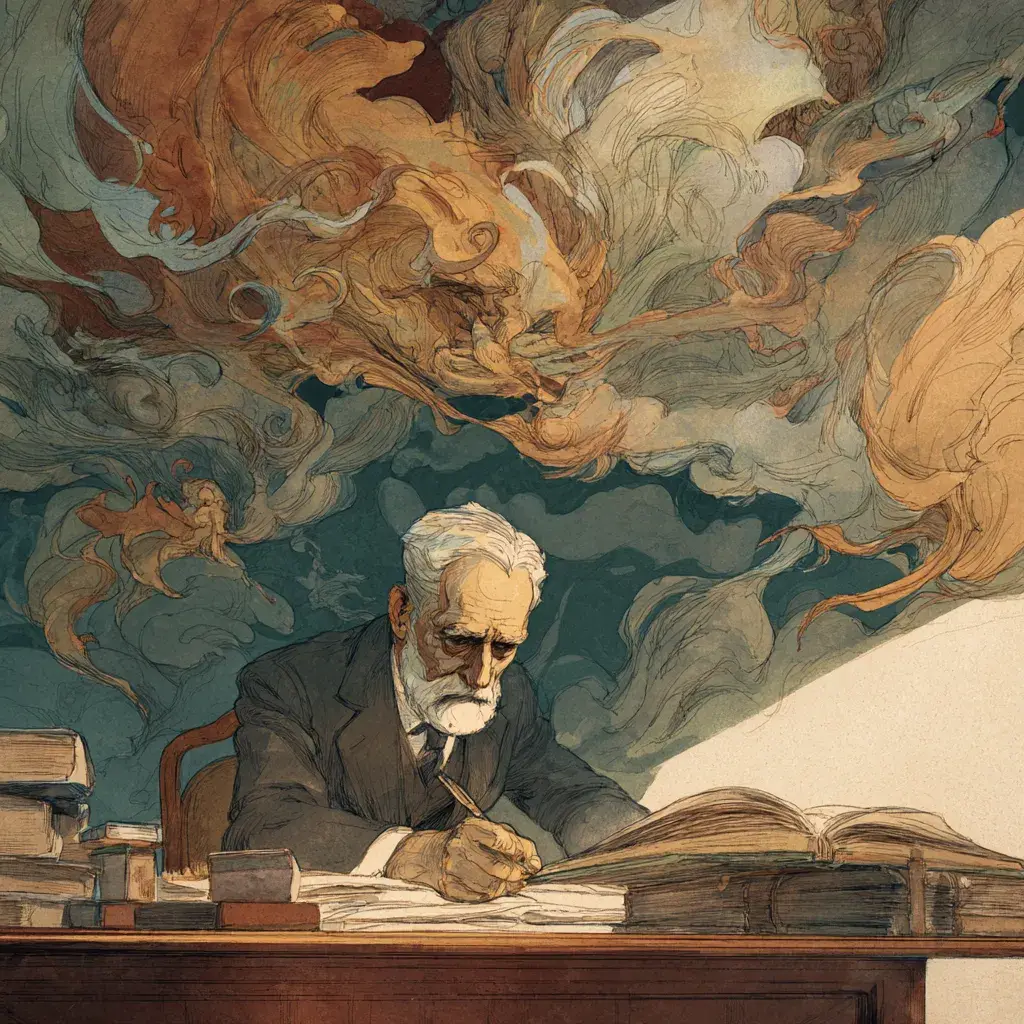 Sigmund Freud: The Man Who Mapped the MindSigmund Freud, the Viennese doctor who invented psychoanalysis, from the 'talking cure' to his flight from the Nazis to London.
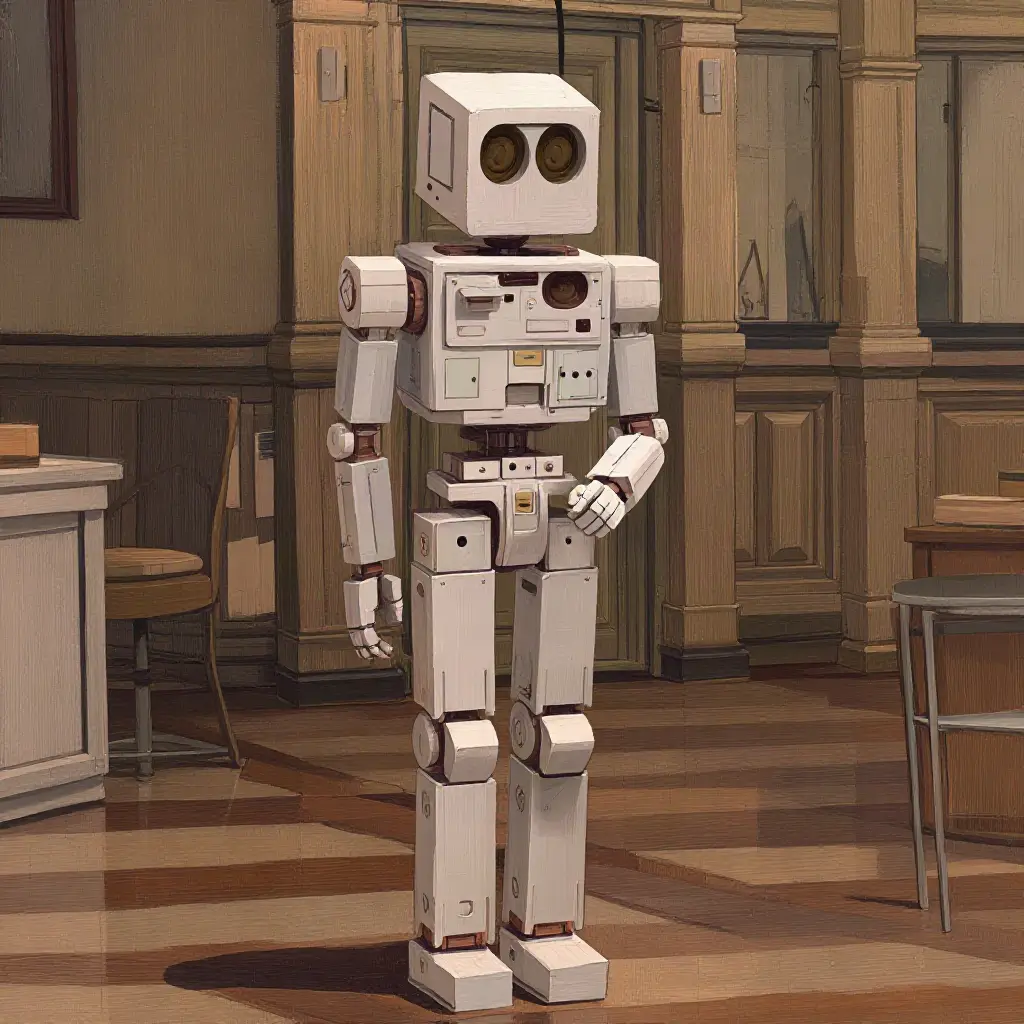 ELIZA: The First Chatbot and the Man Who Feared ItIn 1966, Weizenbaum’s secretary knew ELIZA was just code, yet she asked for privacy to talk to the computer alone.
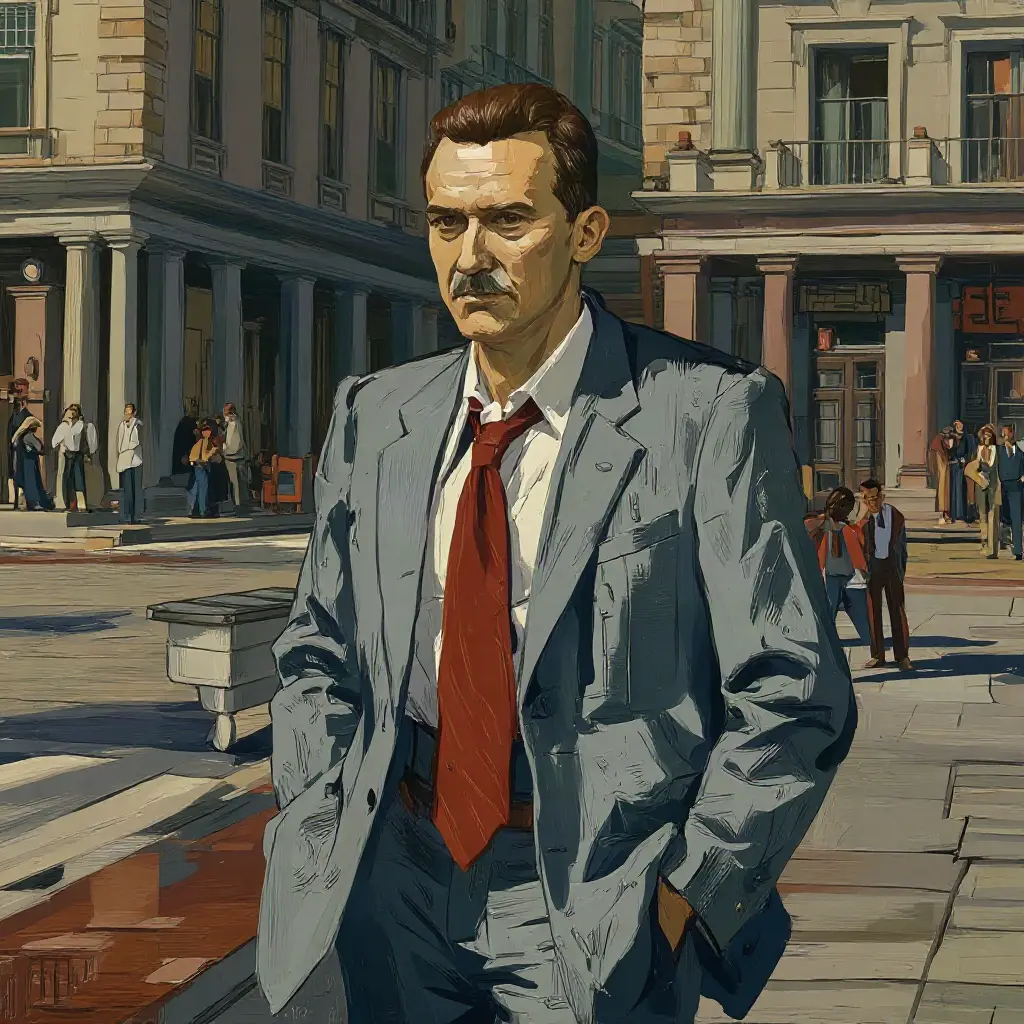 Patient H.M.: The Man Who Couldn't Make MemoriesAfter 1953 surgery, Henry Molaison could form no new long-term memories of events, and his brain was later cut into 2,401 slices.
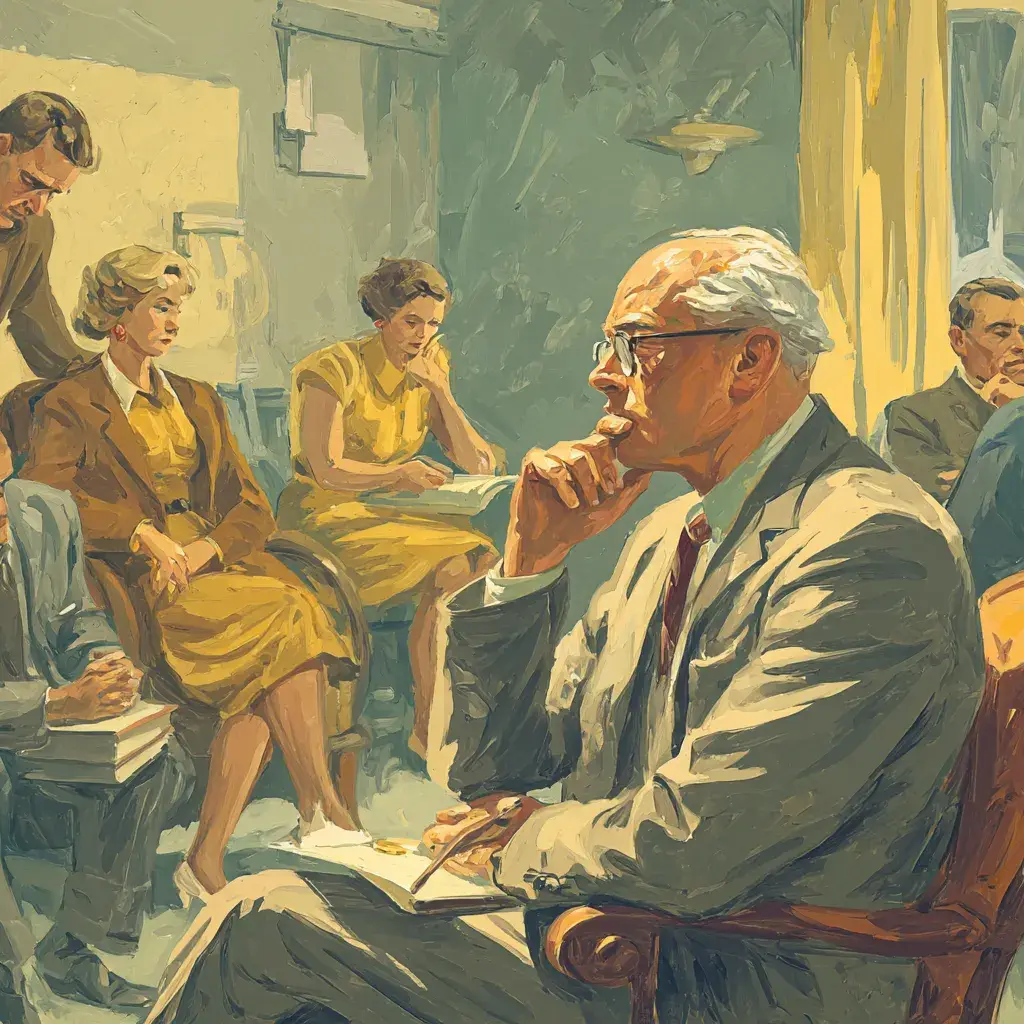 The Asch Conformity Experiments — Seeing What Isn’t ThereIn 1951, an experiment on matching lines revealed that 75% of participants conformed to a group's wrong answer at least once.
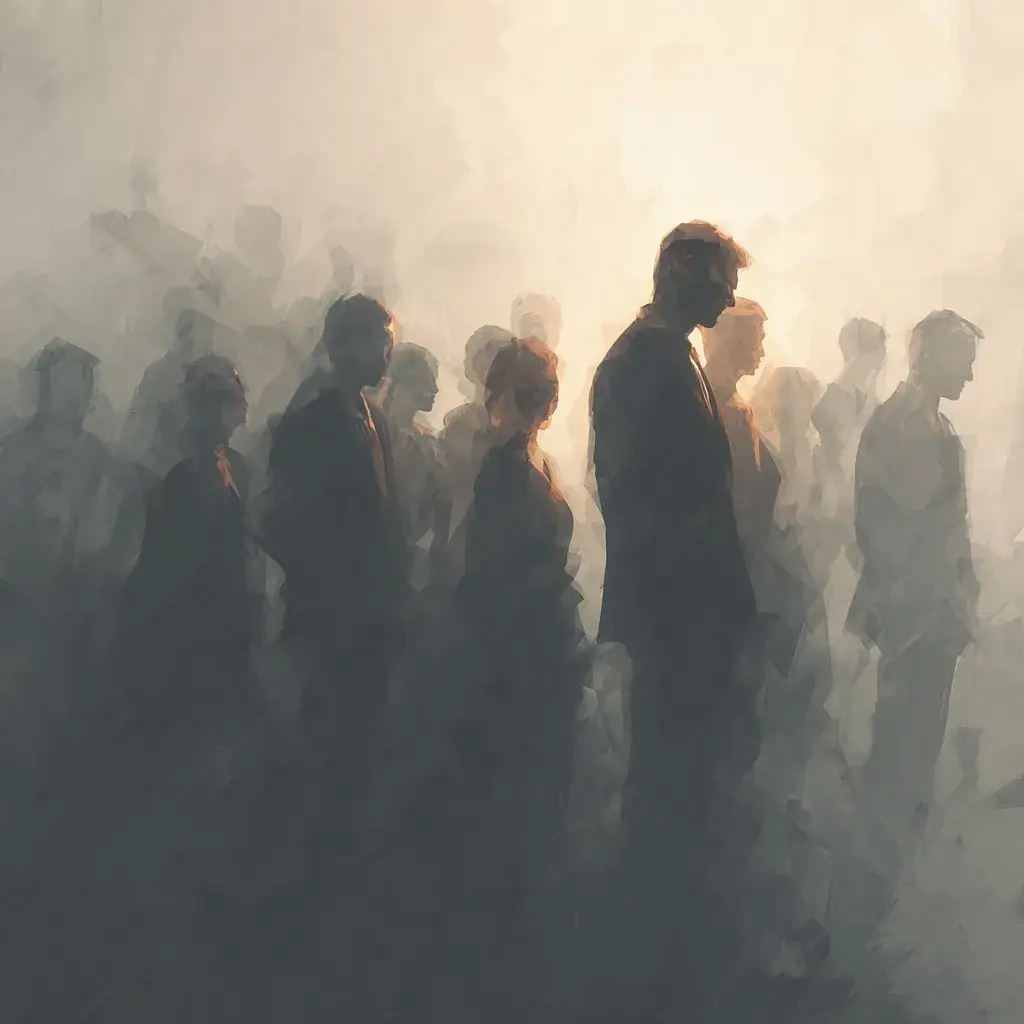 The Bystander EffectThe bystander effect: why people in a crowd are less likely to help, the misreported murder that inspired the research, and the experiments that proved it.
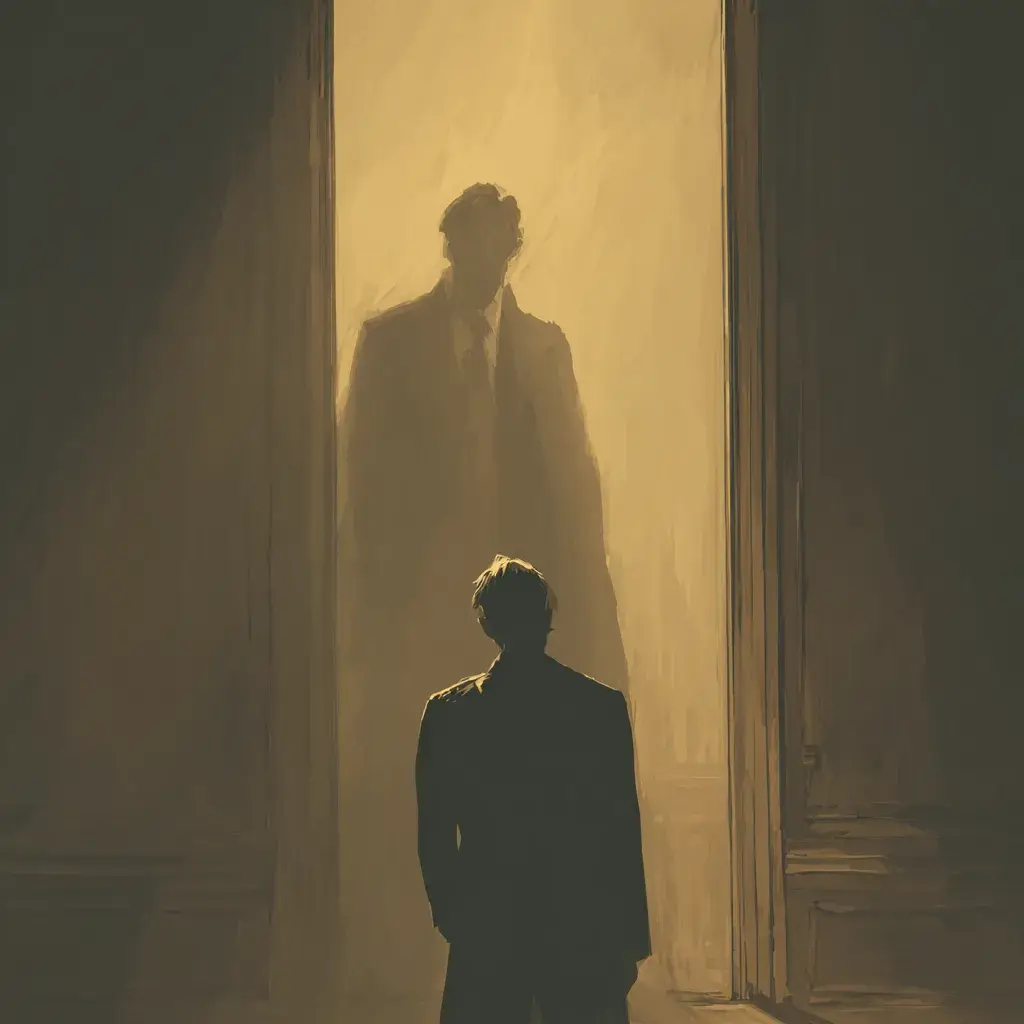 The Milgram Experiment: Obedience to AuthorityMilgram’s 1960s study found 65% of participants would obey orders to deliver severe shocks, reshaping psychology.
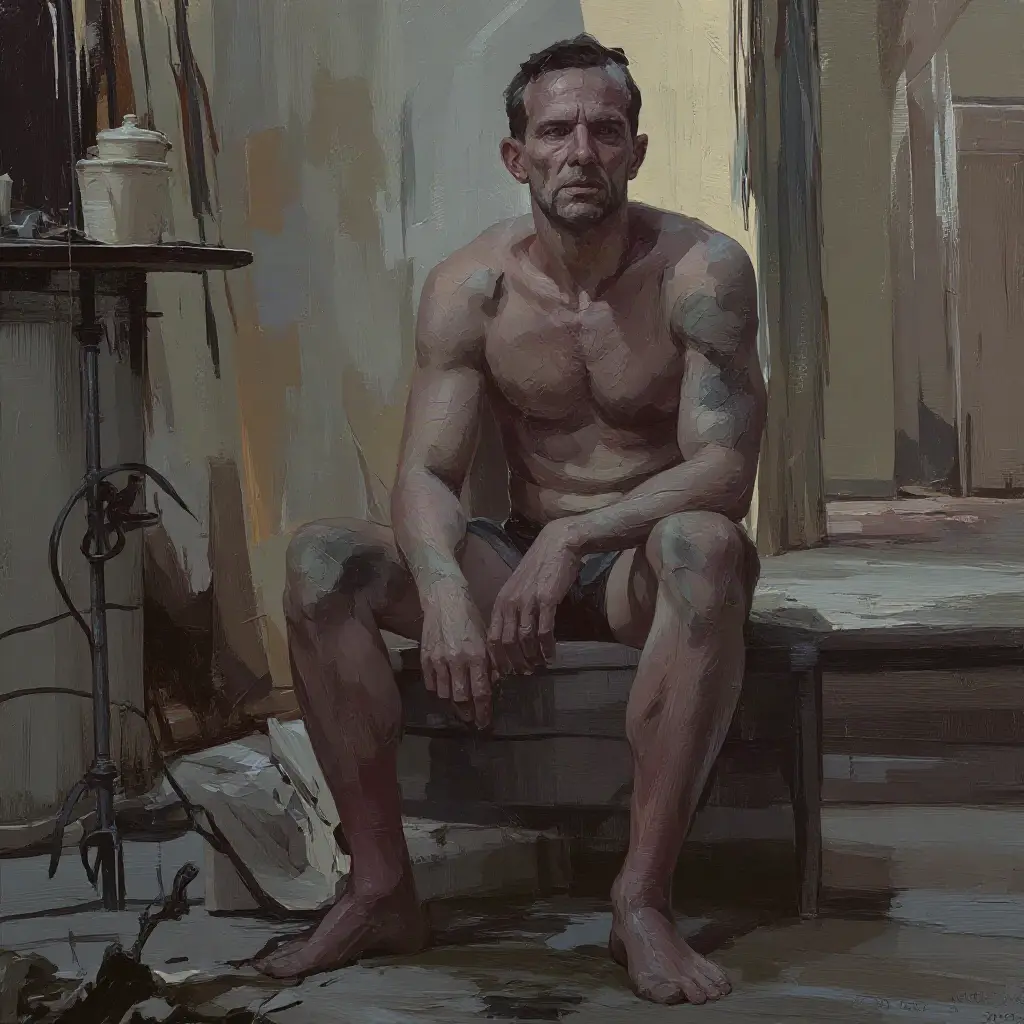 Martin Pistorius: The Ghost BoyMartin Pistorius was awake and aware for years in a body that would not respond, until an aromatherapist noticed his eyes in 2001.
 Clive Wearing: A Life in Seven-Second ChunksClive Wearing's memory lasted 7 to 30 seconds after a 1985 virus, yet he greeted his wife Deborah with joy every time.
To view the rest of the story pack, download the Chunks Microlearning app and start learning
Or get it straight away:
 Download on iOS
 Download on Android