

The Stoics
Marcus Aurelius, Epictetus and Seneca: an emperor, a former slave and a millionaire, and the practical philosophy they shared about what is and isn't in our control.
- stoicism
- philosophy
- ancient rome
Some of the stories included
- Marcus Aurelius & the Philosophy of StoicismThe story of Marcus Aurelius, who used Stoic philosophy to rule Rome through plague and war, and wrote his private thoughts in the Meditations.
 James Stockdale: Epictetus in a Vietnamese PrisonJames Stockdale spent 2,714 days as a prisoner in North Vietnam, steadied by a Stoic handbook he had memorized.
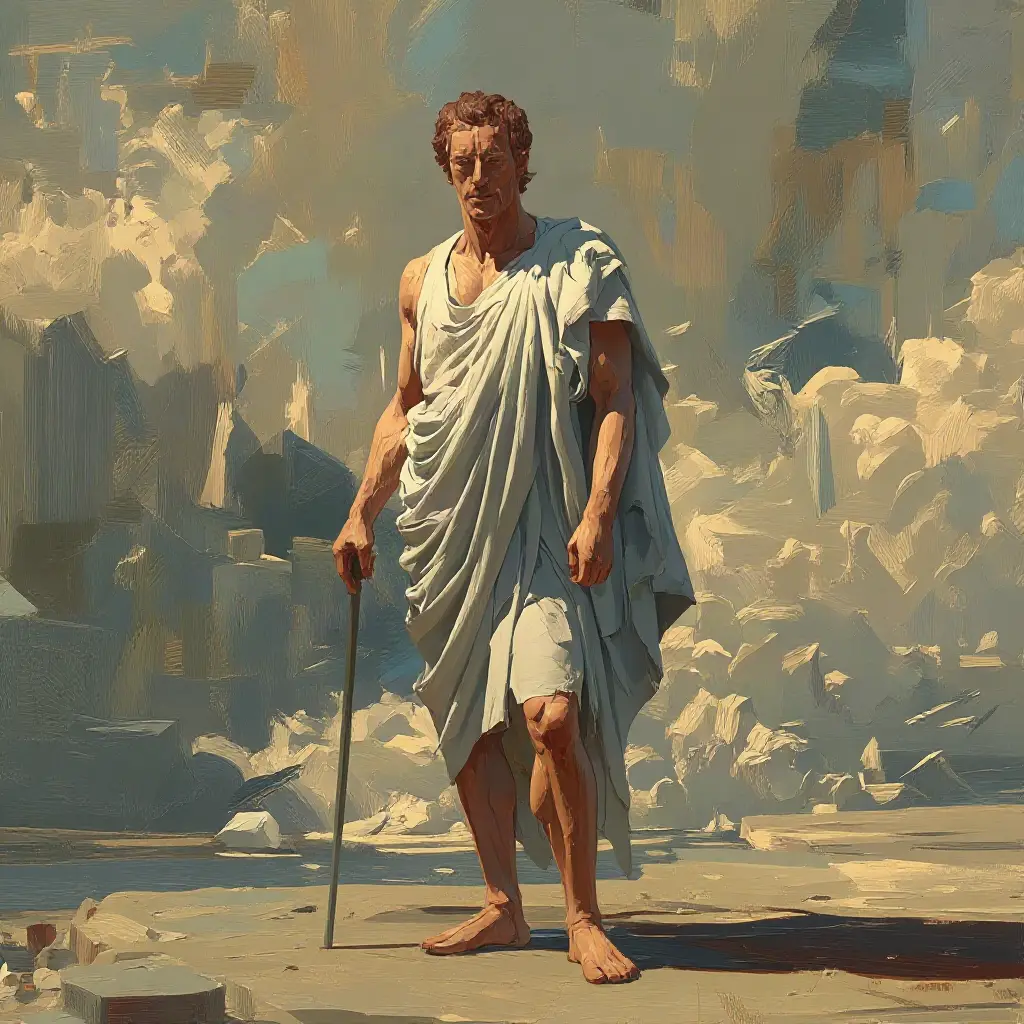 SenecaThe Stoic tutor to Emperor Nero, Seneca preached simplicity while amassing a fortune, before his forced suicide in AD 65.
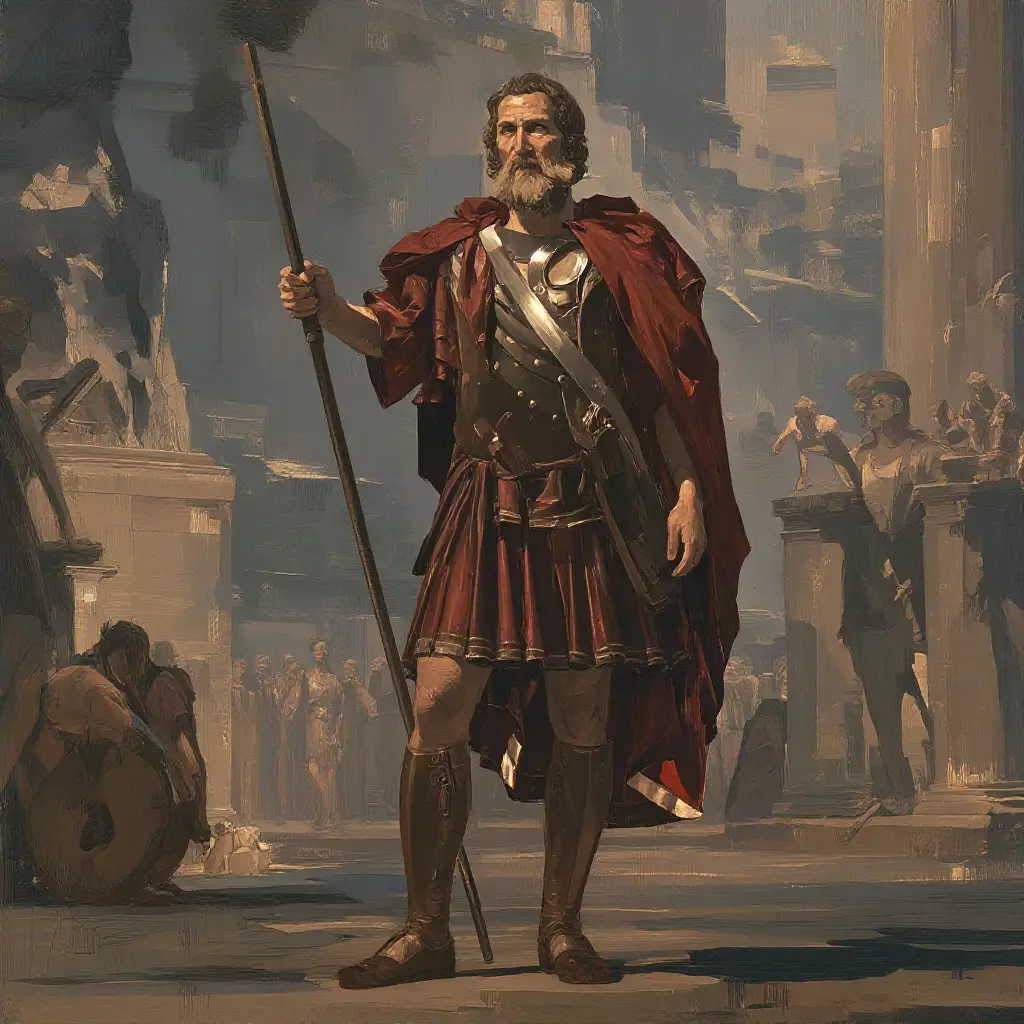 Cato the Younger: The Stoic Who Defied CaesarCato the Younger refused to live under Caesar's pardon and chose death at Utica in April 46 BC.
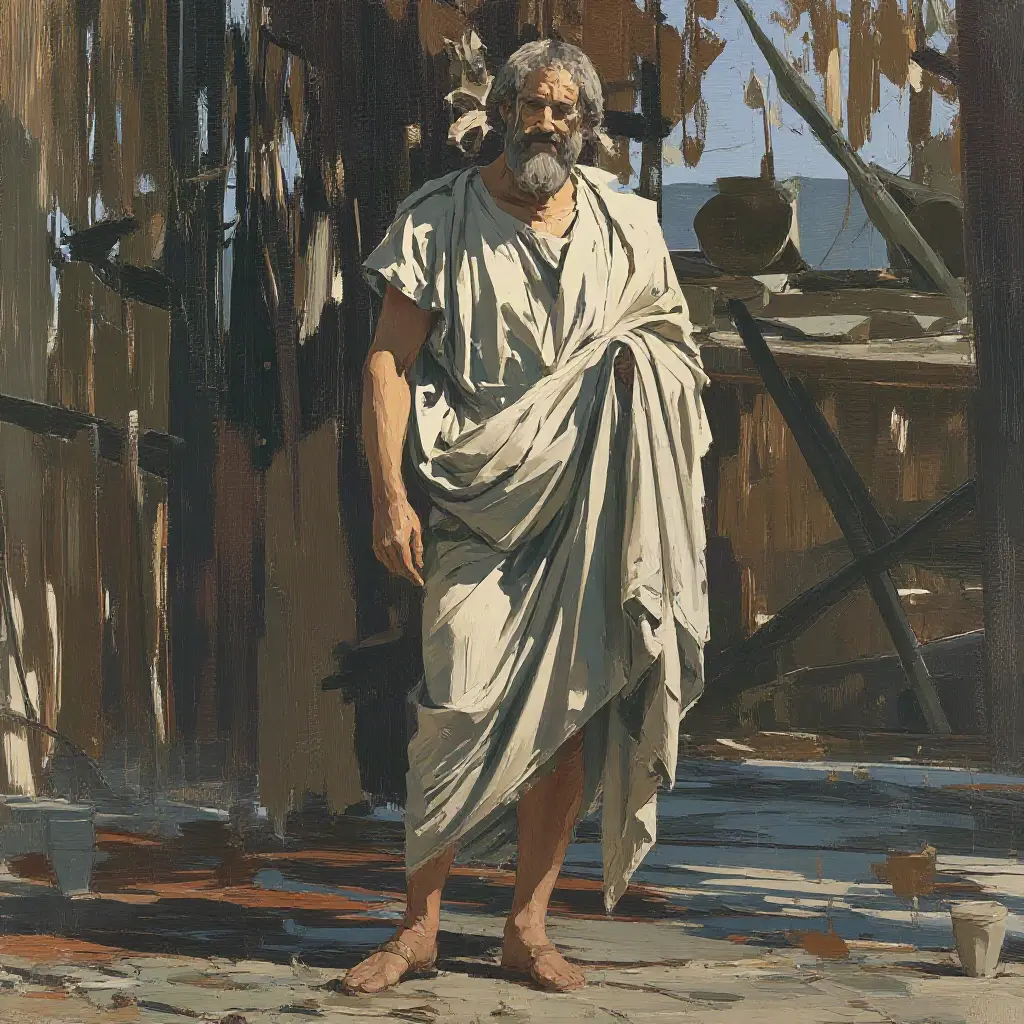 EpictetusThe enslaved man who became a great Stoic teacher, whose ideas on control would one day guide the Roman Emperor Marcus Aurelius.
More like this
 The Ship of Theseus ParadoxThe ancient paradox of the Ship of Theseus, first recorded by Plutarch, questions if an object remains the same after all its parts are replaced.
 Utilitarianism: The Greatest GoodBentham's felicific calculus weighed pleasure and pain by seven factors, and the theory still shapes how charity is judged.
 The Marshmallow TestWalter Mischel's famous test found kids who waited for a second marshmallow had higher SAT scores, but what did it really prove?
 Aristotle and the Pursuit of VirtueFrom student to philosopher, Aristotle redefined virtue not as a divine ideal, but as a practical skill achieved through daily habits.
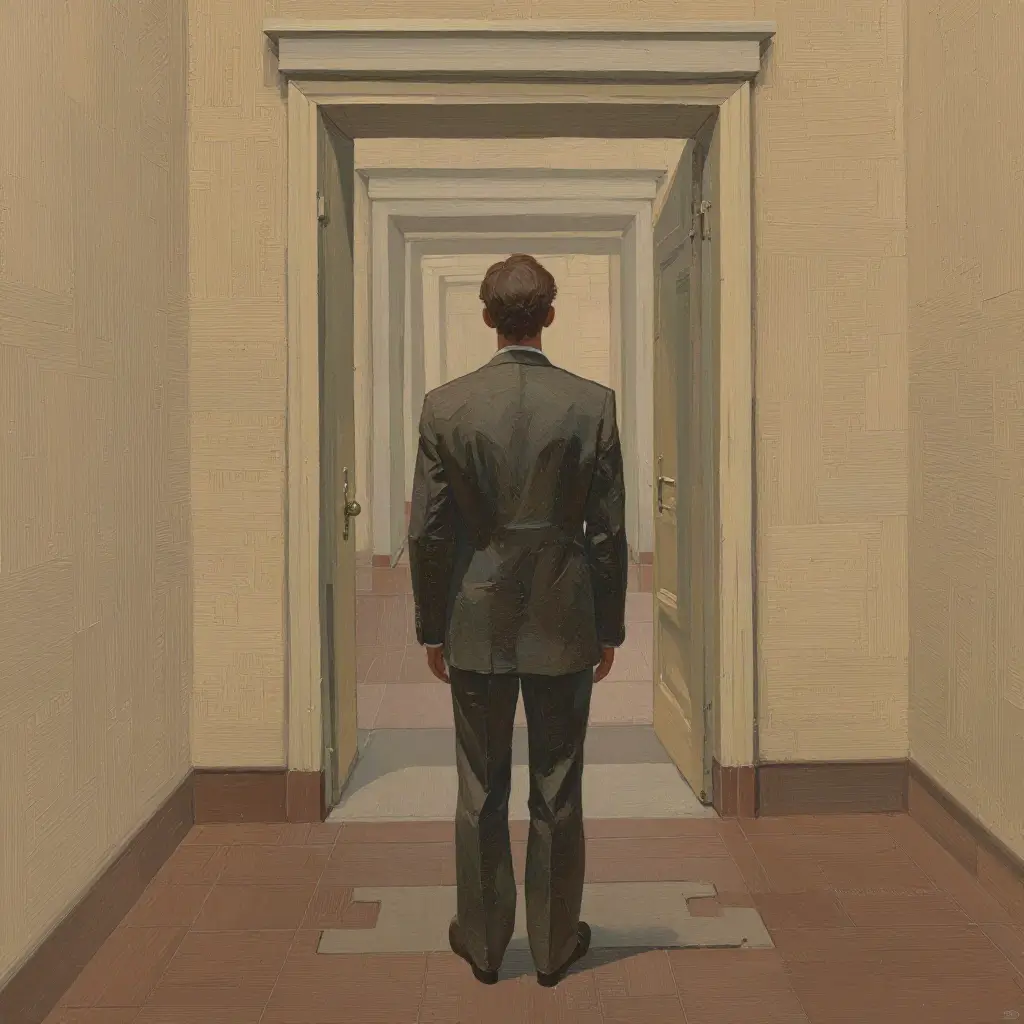 The Chinese Room ArgumentJohn Searle's 1980 thought experiment about a man following rules to answer in Chinese, which argues that running a program is not the same as understanding, and the replies critics made.
 The Robbers Cave ExperimentMuzafer Sherif's 1954 summer-camp study of how rivalry turns groups against each other, and what his own notes later revealed about it.
 Cognitive DissonanceIn 1954, Leon Festinger watched a cult react to a failed apocalypse, leading to his groundbreaking theory of cognitive dissonance.
To view the rest of the story pack, download the Chunks Microlearning app and start learning
Or get it straight away:
 Download on iOS
 Download on Android